

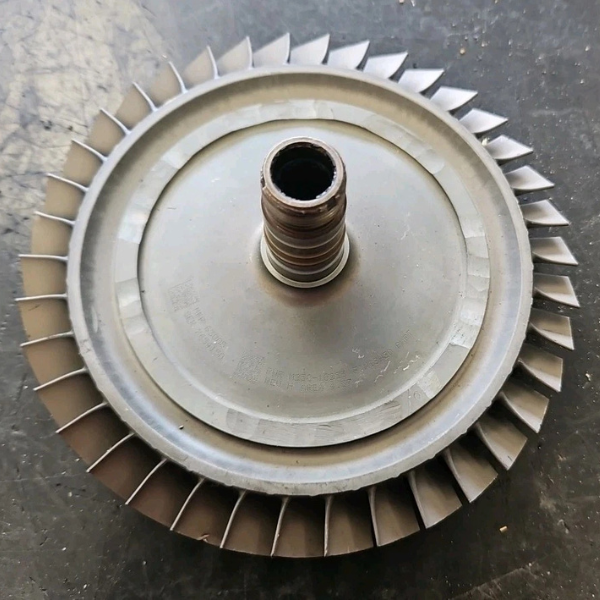
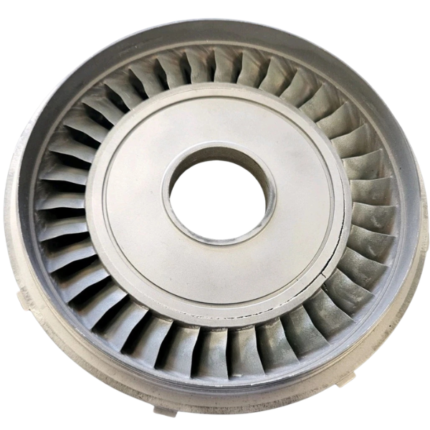
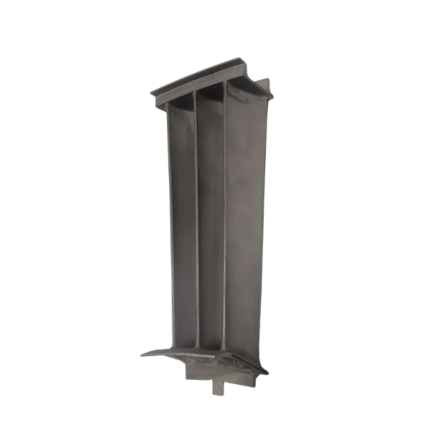
The Rolls-Royce A250 #1 Turbine Wheel is a vital rotating component within the turbine section of Allison 250 series engines. Its primary function is to extract energy from high-temperature, high-velocity gases exiting the combustion chamber and convert that energy into mechanical power used to drive the compressor and associated engine systems. Proper performance of the #1 turbine wheel is essential for achieving consistent power output, efficiency, and overall engine reliability.
Manufactured to the demanding engineering standards associated with Rolls-Royce turbine engine components, the A250 #1 turbine wheel is designed to operate under extreme thermal and mechanical conditions. Turbine wheels are subjected to very high rotational speeds, elevated temperatures, and significant centrifugal forces, making material integrity, balance, and dimensional accuracy critical to safe operation.
The #1 turbine wheel plays a key role in maintaining correct turbine efficiency and load distribution within the engine. Proper blade geometry and surface condition help ensure smooth gas flow, reduced vibration, and controlled stress on adjacent turbine components. Damage, wear, or imbalance in a turbine wheel can significantly affect engine performance and service life, which is why careful inspection and timely replacement are essential during maintenance and overhaul activities.
This component is commonly handled during engine disassembly, inspection, repair, or major overhaul programs. The Rolls-Royce A250 #1 Turbine Wheel is intended for use in approved Allison 250 engine configurations and should be evaluated and installed by qualified aviation maintenance personnel in accordance with applicable engine manuals and regulatory requirements.
Suitable for helicopter and light aircraft turbine applications, this turbine wheel supports reliable power generation and long-term engine operation when maintained under approved aviation practices. Its design reflects the precision and durability required for continuous service in demanding aerospace environments.


Reviews
There are no reviews yet.