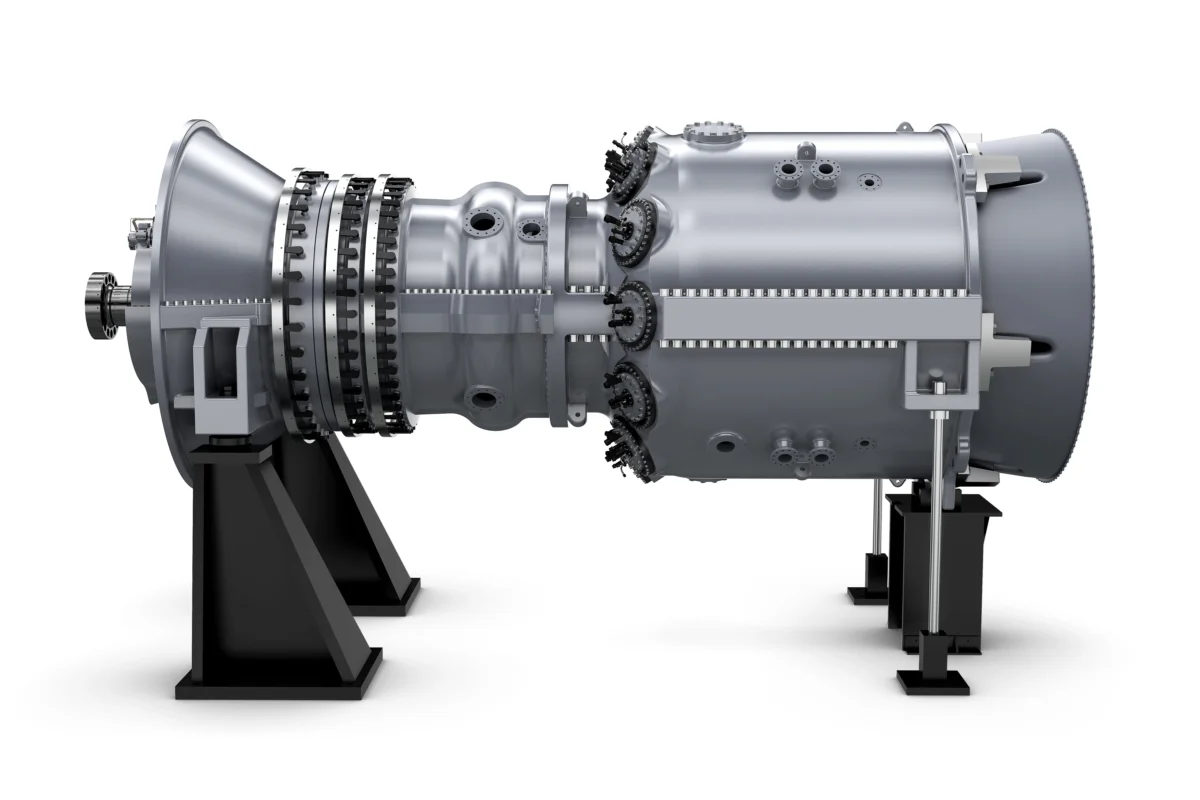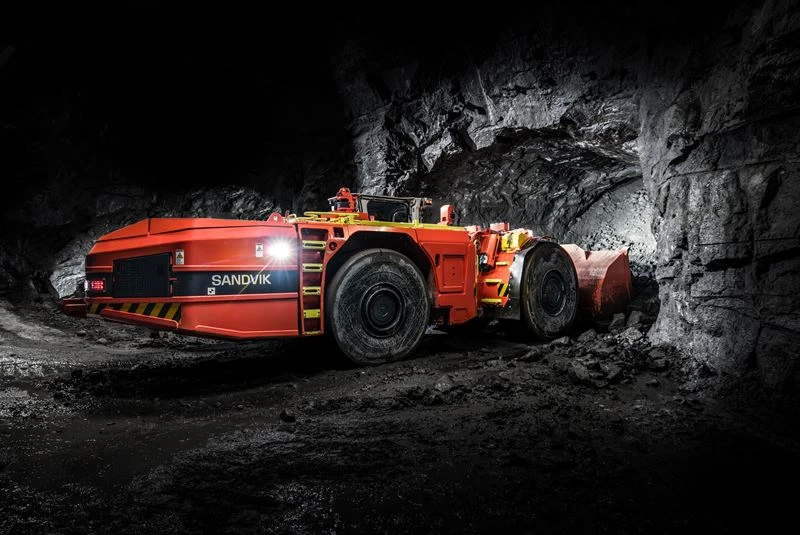


There’s a particular kind of stress that comes from watching a job site go quiet because the power’s out. Whether it’s a mining operation losing hours of production, a construction site stalling mid-pour, or an industrial facility scrambling to keep critical systems running, power interruptions have a way of turning a manageable day into an expensive one. That’s exactly why diesel generators remain one of the most trusted, widely used power solutions across mining, construction, and industrial sectors — they’re rugged, dependable, and built to run when the grid can’t.
Whether you’re evaluating a new generator purchase or trying to keep an existing unit running smoothly with the right spare parts, this guide covers what actually matters — from how these systems work to what separates a reliable purchase from a future headache.
Why Diesel Generators Are Still the Industry Standard
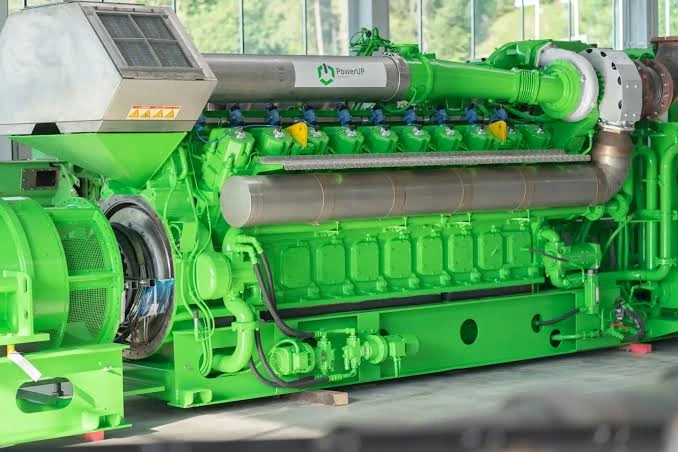
Diesel generators have stayed dominant for a simple reason: they deliver a rare combination of power density, fuel efficiency, and durability that’s hard to match. Compared to gasoline or gas-powered alternatives, diesel engines typically run cooler, last longer under heavy load, and offer better fuel efficiency at high output — which matters enormously when you’re running equipment for 10, 12, or more hours a day.
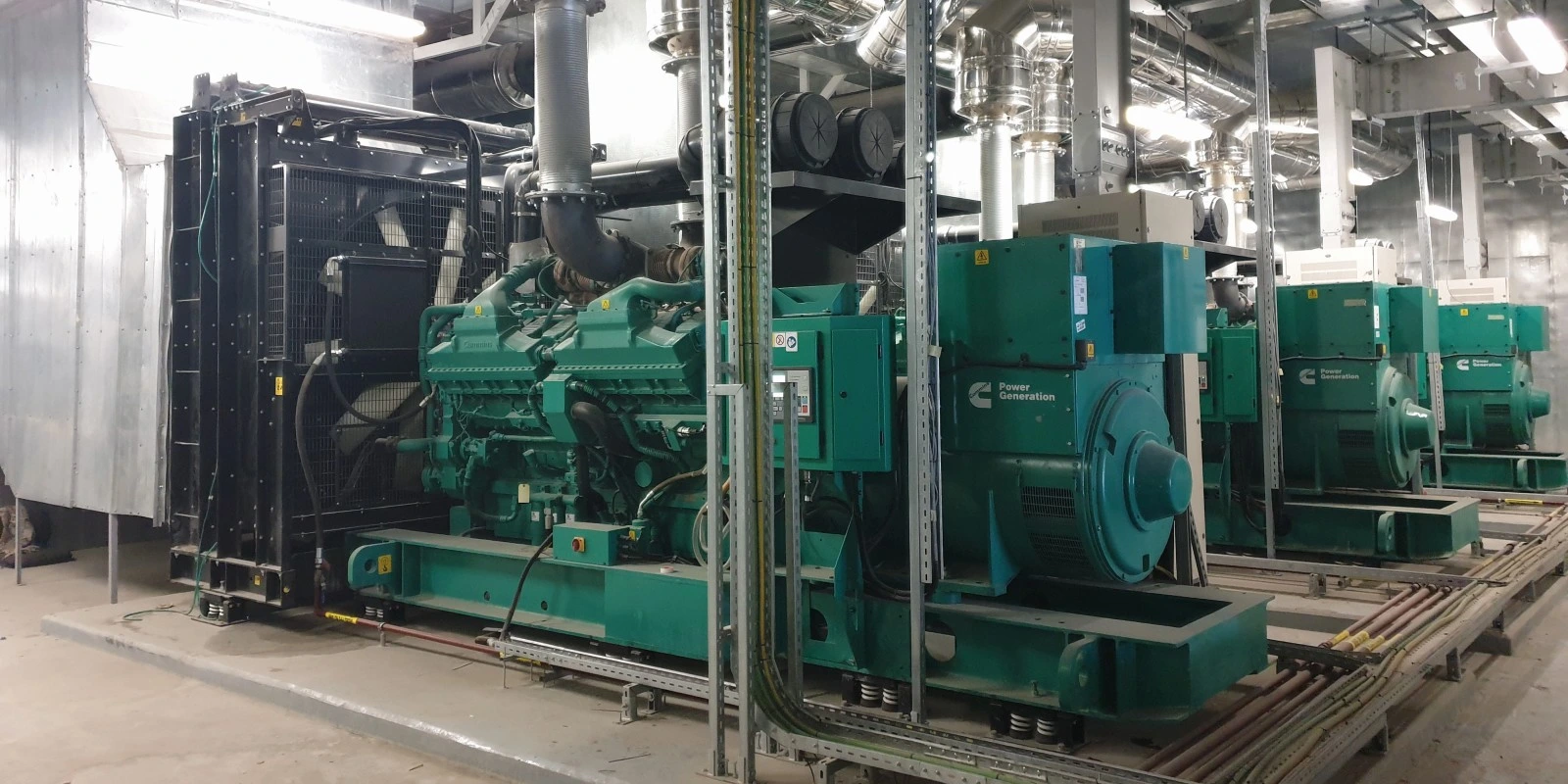
That’s why diesel gensets show up everywhere power reliability is non-negotiable: remote mining sites without grid access, construction projects that can’t afford downtime, industrial plants that need backup power during outages, and facilities running continuous processes where even a short interruption means lost product or safety risk.
What to Look for When Choosing a Diesel Generator
Not every generator is built the same, and picking the wrong one for your application is a common — and costly — mistake. A few factors deserve real attention before you buy:
- Power output (kVA/kW) versus actual load. Undersizing a generator leads to overload and premature wear; oversizing wastes fuel and money. Calculate your actual running and starting loads before choosing a unit.
- Prime vs. standby rating. Generators rated for continuous prime power are built differently than standby units meant for occasional backup use — using the wrong rating for your application shortens equipment life significantly.
- Fuel efficiency and tank capacity. For remote or continuous operations, fuel consumption directly affects operating cost and how often refueling logistics interrupt your workflow.
- Build quality and duty cycle. Industrial and mining environments are hard on equipment — dust, vibration, and extreme temperatures all take a toll, so look for units genuinely built for heavy-duty conditions, not lightly-rated commercial models.
- Noise and emissions compliance, particularly for sites with regulatory requirements or nearby residential areas.
- Parts and service availability. This one gets overlooked constantly, and it shouldn’t. A generator is only as reliable as your ability to keep it running — which means spare parts availability matters just as much as the initial purchase.
Why Spare Parts Quality Is Just as Important as the Generator Itself
Here’s something operators learn the hard way, usually at the worst possible time: a generator that’s otherwise in great shape can still go down over a failed alternator, a worn filter, or a mismatched electrical component. And when that happens, the quality of the replacement part determines whether you’re back up and running in a day — or dealing with repeat failures for months.
Substandard or mismatched parts don’t just fail faster. In a generator system, a poorly matched alternator or filter can throw off engine performance, cause overheating, or place stress on other components that weren’t designed to compensate. What looks like a minor saving on a cheap part upfront often turns into repeated service calls and lost production time later. Genuine, correctly specified components — built to match the engine and generator system as designed — protect the investment you’ve already made in the unit.
Common Diesel Generator Parts Operators Need
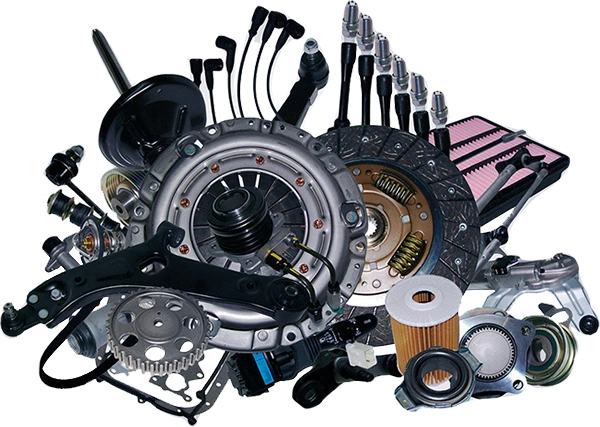
Depending on your generator’s brand, size, and application, the parts you’re most likely sourcing on a recurring basis include:
- Alternators — convert mechanical energy into electrical output and are central to overall generator performance
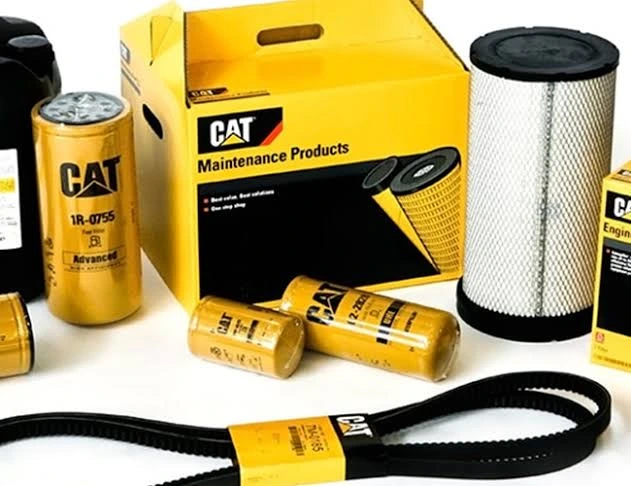
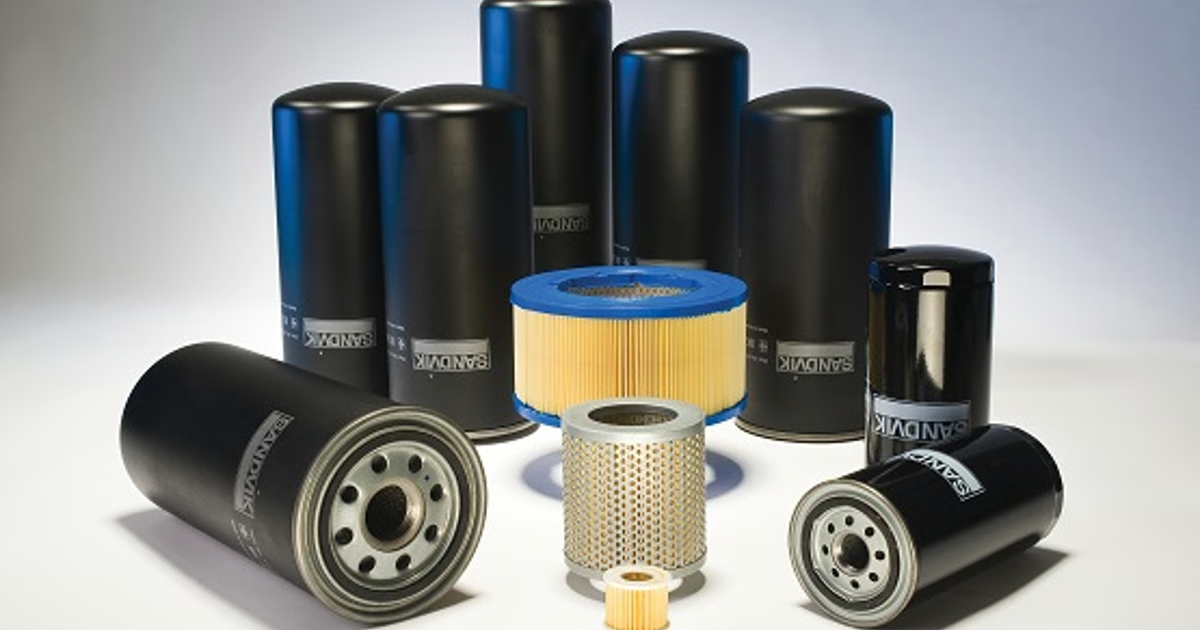
- Filters and fluids — engine oil filters, fuel filters, and coolant systems that protect the engine from contamination and overheating
- Electrical components — control modules, sensors, and wiring components that manage generator operation and safety cutoffs
- Cooling system parts — radiators, water pumps, and related components that prevent overheating under sustained load
- Engine components — gaskets, belts, and other wear items specific to the generator’s engine platform
Because generators are used across such a wide range of brands and configurations, having a supplier who can source parts across multiple platforms — rather than just one brand — saves a lot of hassle when you’re managing a mixed fleet.
Choosing a Supplier You Can Rely On
Buying a diesel generator, or sourcing spares for one already in service, isn’t just a transaction — it’s a decision that affects uptime for years to come. A good supplier should be able to help you match generator specifications to your actual power needs, confirm part compatibility before shipping, and respond quickly when you’re dealing with an unplanned outage. That last part matters more than people expect: in mining, construction, and industrial settings, the cost of waiting on a part is almost always higher than the cost of the part itself.
This is where Exominn fits in. Alongside a catalog of diesel generators built for demanding operations,
– supplies alternators, filters and fluids, electrical parts, and a broad range of generator spares — giving operators a single, reliable source for both new equipment and the ongoing parts support that keeps power generation running smoothly.
Final Thoughts
Diesel generators remain one of the most dependable ways to keep mining sites, construction projects, and industrial facilities powered — but only when the unit is correctly matched to the application and maintained with quality parts. Whether you’re purchasing a new generator or restocking spares before your next maintenance window, working with a supplier who understands both the equipment and the operating conditions it’s built for makes all the difference.
If you’re not sure which generator or part fits your setup, it’s worth a direct conversation before ordering. A quick check with someone who knows the catalog can save you from an expensive mismatch and unnecessary downtime.
Frequently Asked Questions
1. What size diesel generator do I need for my site?
Generator sizing depends on your total running load plus starting loads for equipment with high inrush current (like motors). It’s best to calculate actual power requirements or consult a supplier before purchasing, since undersizing or oversizing both create problems.
2. What’s the difference between a prime-rated and standby generator?
Prime-rated generators are built for continuous or variable-load operation over extended periods, while standby units are designed for occasional backup power during outages. Using a standby unit for continuous duty will shorten its service life significantly.
3. How often should generator filters and fluids be replaced?
This depends on operating hours, load, and manufacturer recommendations, but regular inspection as part of a scheduled maintenance routine helps catch issues early and prevents engine damage from contaminated oil or coolant.
4. Why do generator alternators fail, and how can I prevent it?
Alternator failure is often caused by overload, poor maintenance, or using a mismatched replacement part. Choosing a correctly specified alternator and following regular maintenance schedules helps extend service life.
5. Does Exominn supply both diesel generators and spare parts?
Yes. Exominn’s catalog includes diesel generators alongside alternators, filters and fluids, electrical parts, and other generator spares, giving operators a single source for equipment and ongoing maintenance support.
6. Can Exominn help source parts for generators from different brands?
Yes. Exominn’s team can help identify and source compatible parts across multiple generator platforms, which is especially useful for operations managing a mixed equipment fleet.