

If a generator is the heart of an industrial power system, the alternator is arguably its engine of output — the component that actually converts mechanical energy into the electrical power your site depends on. It’s easy to overlook until something goes wrong, but when an alternator fails or underperforms, the effects ripple across everything connected to it, from generators to mining equipment to heavy industrial machinery. Getting alternator selection and sourcing right isn’t a small detail; it’s central to keeping power generation reliable.
This guide covers what alternators actually do, why quality sourcing matters so much, and what to check before your next purchase.
What Does an Alternator Actually Do?
An alternator is an electrical generator that converts mechanical energy into electrical energy in the form of alternating current, typically using a rotating magnetic field paired with a stationary set of coils, known as the armature, to produce usable power. In most industrial setups, a small externally supplied direct current excites the rotor, while the alternating current itself is generated in the stationary windings.
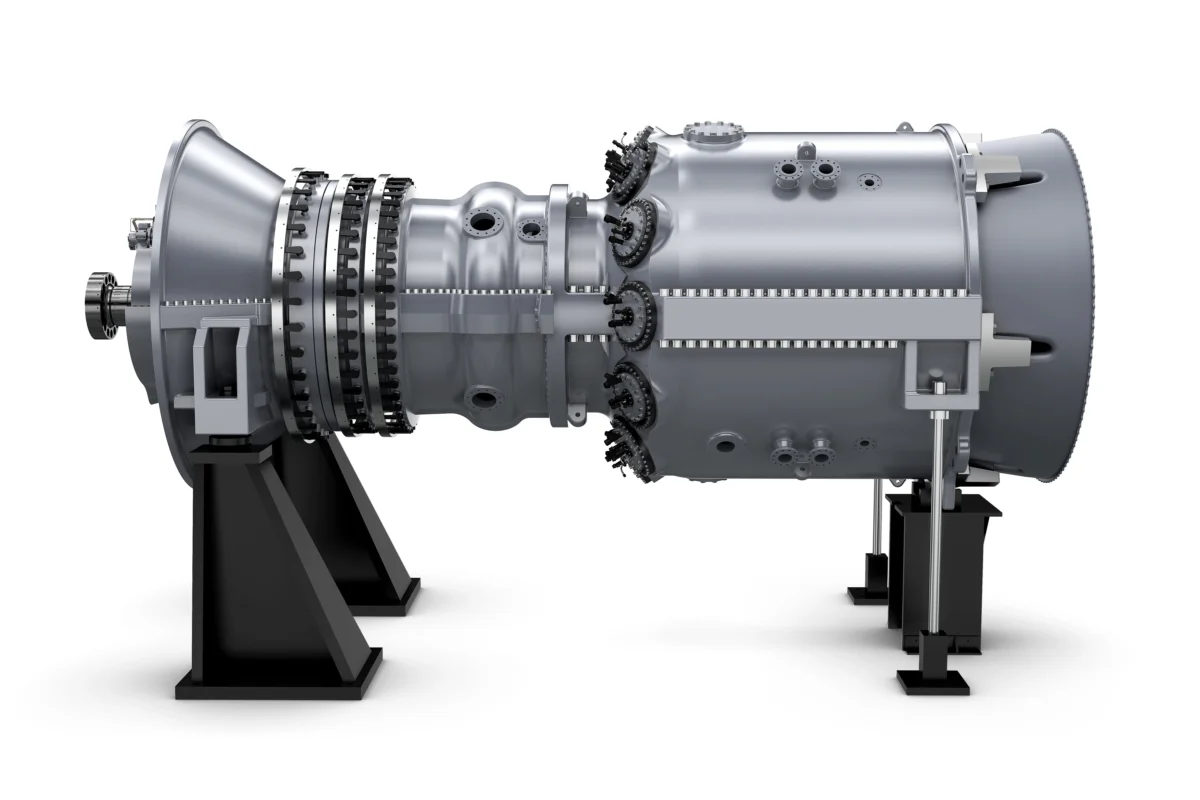
In practical terms, this is the component responsible for turning the rotational energy from a diesel engine, gas engine, or turbine into the electricity that actually powers your site. Alternators are essential components in industrial power generation systems, playing a critical role in generators, mining equipment, and industrial machinery of all kinds.
Where Industrial Alternators Are Used
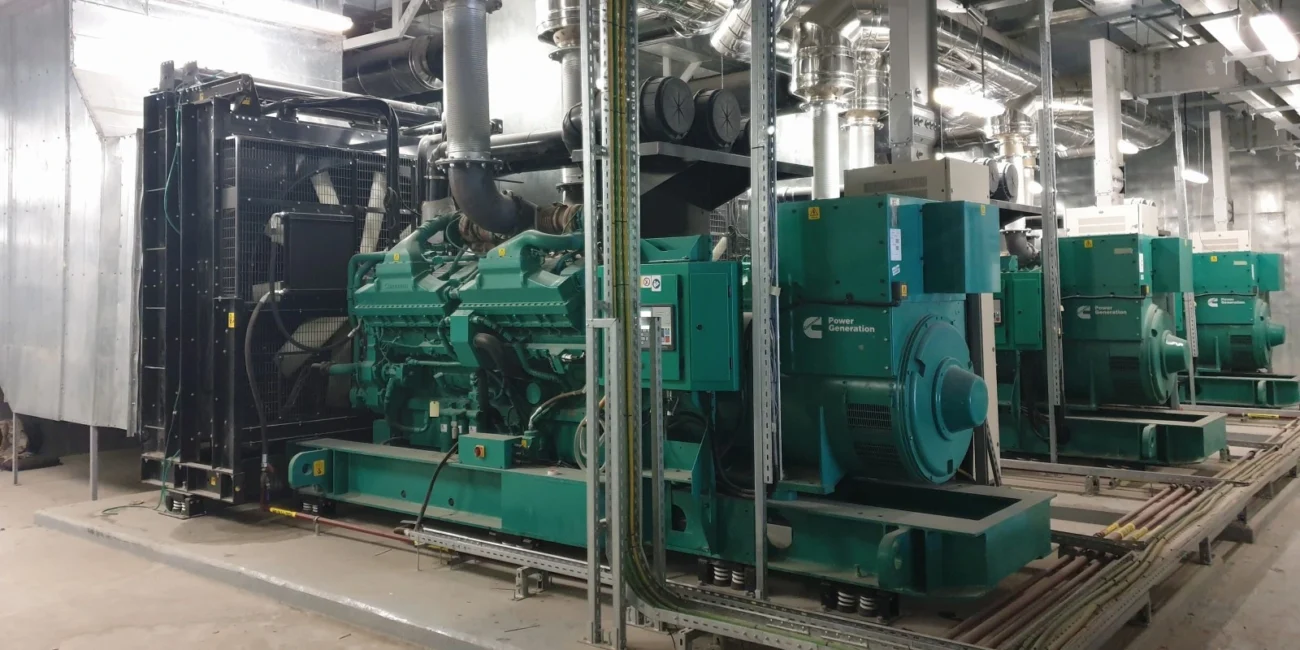
Alternators aren’t limited to a single application. They’re core components in diesel generators, providing the electrical output that makes backup and prime power possible. They’re equally central to gas generators, converting mechanical energy from gas-fueled engines into usable electricity. Beyond generators specifically, alternators also support a wide range of industrial engines and heavy-duty equipment, wherever mechanical rotation needs to be converted into a stable electrical supply.
Because so many different systems rely on this one component, alternator reliability has an outsized effect on overall equipment uptime — which is exactly why sourcing the right one matters so much.
Why Alternator Quality Has Such a Big Impact on Reliability
Here’s something operators often learn the hard way: an alternator that isn’t correctly matched to its generator or engine doesn’t just underperform quietly. It can produce unstable output, generate excess heat, or place additional strain on connected electrical systems. Left unaddressed, that kind of mismatch tends to shorten the lifespan of the alternator itself and, in some cases, damage the equipment it’s powering.
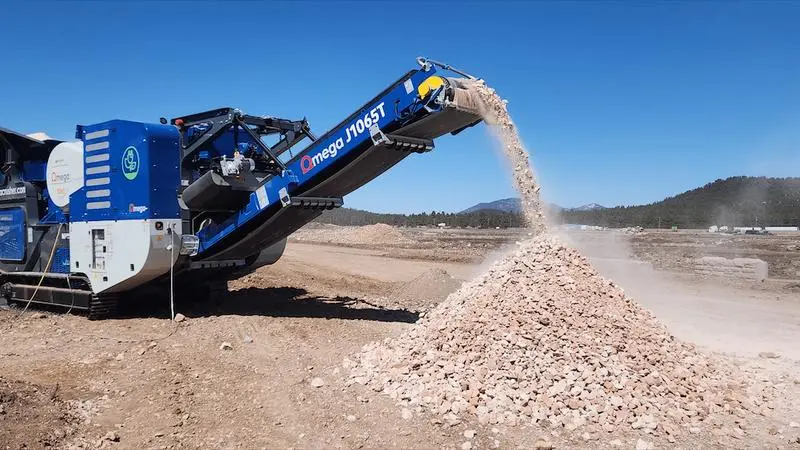
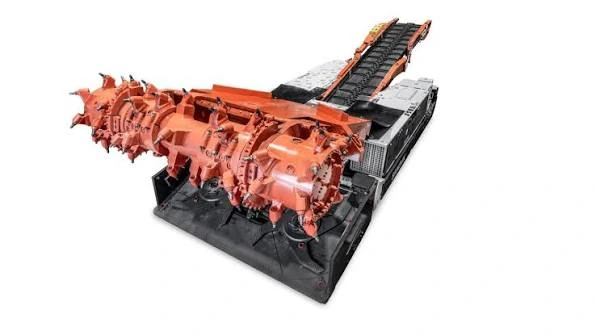
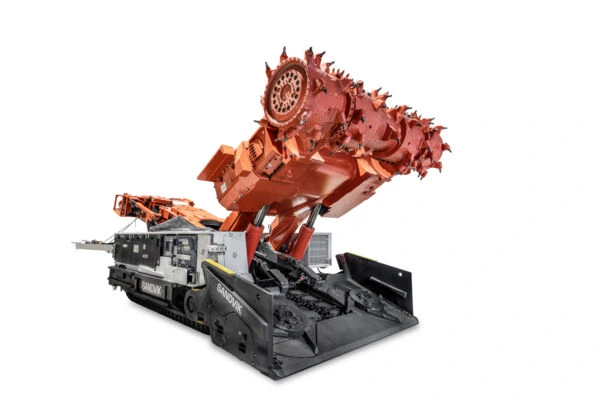
This becomes especially important in demanding environments like mining sites, construction projects, and industrial facilities, where alternators often run continuously under vibration, dust, and temperature extremes that push components harder than in typical commercial settings. An alternator engineered specifically for that kind of duty cycle behaves very differently over time than one designed for lighter, intermittent use.
What to Look for When Choosing an Alternator
A few factors deserve real attention before committing to a purchase. Output rating needs to be correctly matched to your generator or engine’s actual power requirements, since an undersized alternator will be pushed beyond its design limits while an oversized one wastes cost and space unnecessarily. Voltage and frequency compatibility must align with your electrical system’s standards to avoid performance or safety issues. Build quality for demanding environments matters significantly for mining, construction, and industrial applications where dust, vibration, and heat are constants rather than exceptions. And compatibility with your specific generator or engine platform should always be confirmed, since alternators are engineered to work within specific tolerances alongside the equipment they’re paired with.
Why Genuine or Precision-Matched Alternators Matter
There’s sometimes a temptation to treat an alternator as a generic, interchangeable part, but that’s rarely the reality in industrial settings. Premium-quality alternators are engineered specifically for reliable performance in demanding environments, with the internal components, cooling design, and electrical characteristics all calibrated for the loads they’re expected to handle. A lower-quality substitute might look similar on the outside, but the difference tends to show up quickly in the form of overheating, inconsistent output, or a shorter service life than expected.
By supplying dependable alternators suited to diesel generators, gas generators, industrial engines, and heavy-duty equipment, a quality supplier supports genuinely uninterrupted operations across mining sites, industrial facilities, and construction projects, rather than just filling a part number on an order form.
Choosing a Supplier You Can Rely On
Sourcing an alternator isn’t just a transaction — it’s a decision that affects your equipment’s reliability for years afterward. A good supplier should be able to help match alternator specifications to your specific generator or engine, confirm compatibility before shipping, and respond quickly when you’re dealing with an unplanned failure. That responsiveness matters more than most buyers expect, because in mining and industrial operations, the cost of waiting on a part is almost always higher than the cost of the part itself.
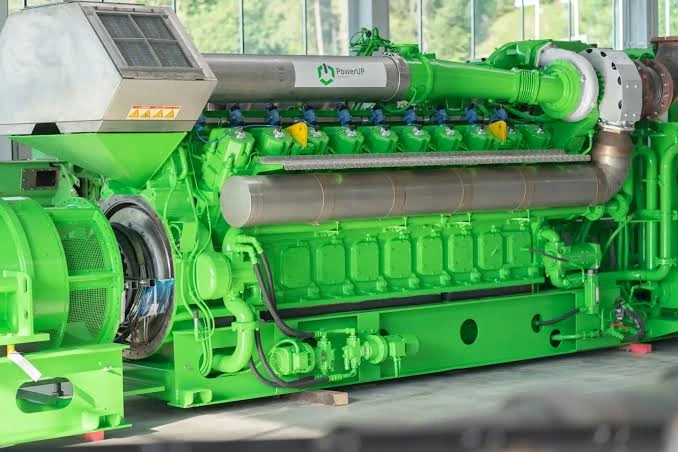
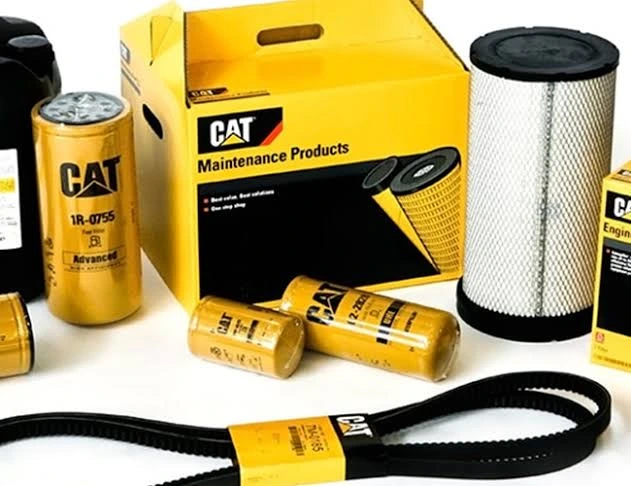
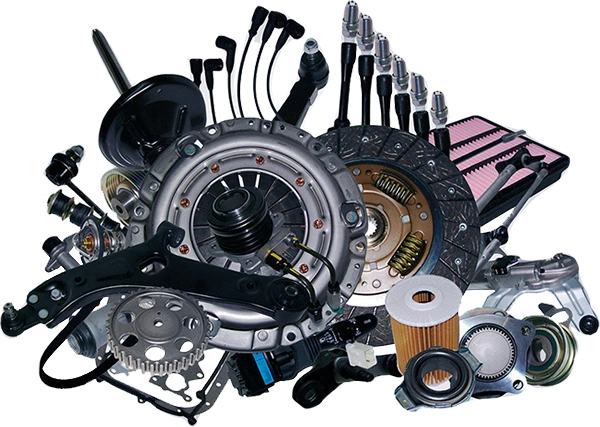
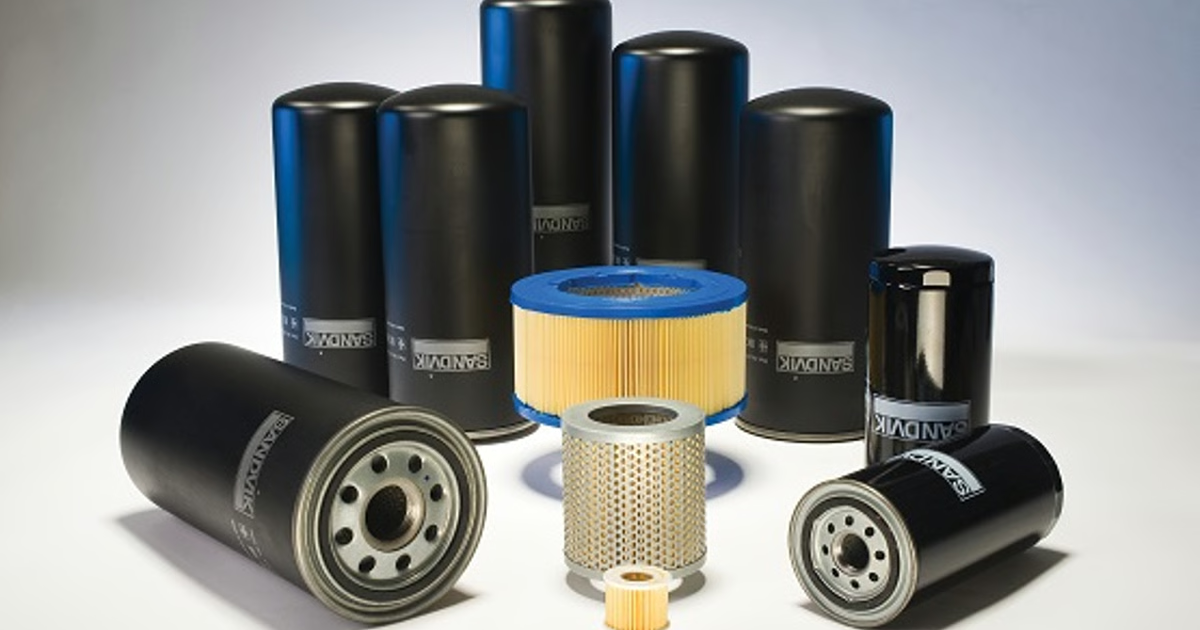
This is exactly where Exominn fits in. Alongside a catalog of premium-quality alternators built for demanding environments, Exominn supplies diesel and gas generators, filters and fluids, and a broad range of related components, giving operators a single, dependable source for both equipment and the ongoing parts support that keeps power generation running smoothly.
Final Thoughts
Alternators may not be the most visible component in an industrial power system, but they’re one of the most operationally critical. Whether you’re replacing a failed unit or specifying one for a new generator setup, working with a supplier who understands both the electrical requirements and the demanding conditions the alternator will operate in makes all the difference between reliable output and repeated downtime.
If you’re not sure which alternator fits your generator or engine, it’s worth a direct conversation before ordering. A quick check with someone who knows the catalog can save you from a costly mismatch and unnecessary downtime.
Frequently Asked Questions
1. What does an alternator do in an industrial generator?
An alternator converts the mechanical energy produced by a diesel or gas engine into usable electrical energy, making it the component directly responsible for a generator’s electrical output.
2. How do I know what size alternator I need?
Alternator sizing depends on your generator or engine’s power output and your facility’s electrical load requirements. It’s best to confirm compatibility with a supplier before purchasing, since mismatched sizing can cause performance and reliability issues.
3. Why do alternators fail more often in mining and industrial environments?
Continuous operation combined with dust, vibration, and temperature extremes puts significant strain on alternator components. Units not built for that duty cycle tend to show problems, such as overheating or unstable output, well before their expected service life.
4. Can one alternator be used across different generator brands?
Not always. Alternators are engineered to work within specific tolerances alongside the equipment they’re paired with, so compatibility should always be confirmed with your supplier before purchasing.
5. Does Exominn supply alternators for both diesel and gas generators?
Yes. Exominn’s alternators are suitable for diesel generators, gas generators, industrial engines, and heavy-duty equipment, supporting reliable performance across a range of power generation setups.
6. What are the signs that an alternator needs to be replaced?
Common warning signs include inconsistent or unstable electrical output, unusual heat generation, unusual noise, or visible wear on internal components. Regular inspection as part of a scheduled maintenance routine helps catch these issues before they cause a failure.