

Walk onto almost any mining site, drilling operation, or construction project, and there’s a good chance a compressor is quietly doing some of the heaviest lifting in the background. Pneumatic tools, drilling systems, manufacturing lines, and countless other processes depend on a steady, reliable supply of compressed air or gas. It’s the kind of equipment that rarely gets much attention when it’s working properly — and gets an enormous amount of attention the moment it isn’t.
Whether you’re evaluating a new compressor purchase or trying to keep an existing unit running smoothly with the right spare parts, this guide covers what actually matters — from how these systems work to what separates a dependable purchase from a future problem.
What Does a Compressor Actually Do?
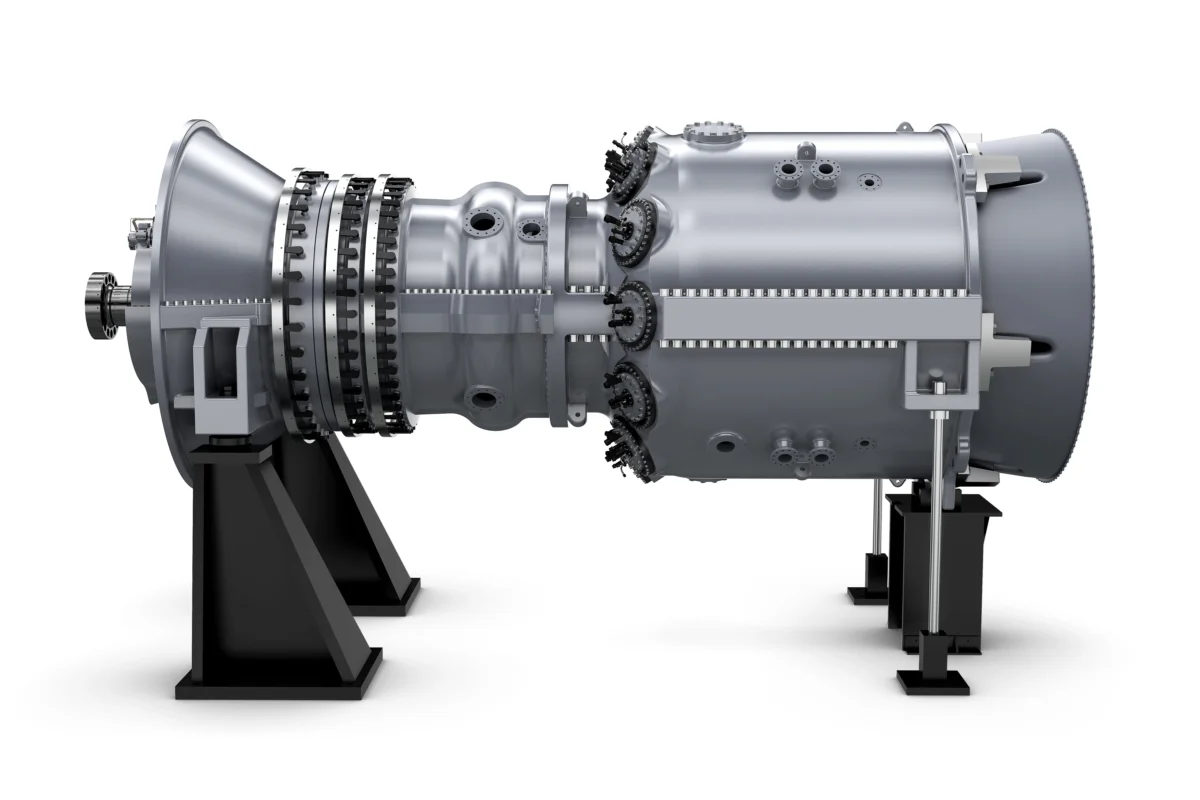
At a basic level, a compressor is a mechanical device that increases the pressure of a gas by reducing its volume, allowing that compressed air or gas to power tools, systems, and processes that need consistent, controlled force. Many industrial compressors are staged, meaning the gas is compressed in multiple steps to reach higher discharge pressures efficiently, with intercooling often used between stages to manage the temperature increase that comes with compression.
Rotary screw compressors are especially common in industrial and mining settings because they offer strong efficiency and reliability under continuous operation compared to older reciprocating designs, making them well suited to the demanding, round-the-clock nature of mining and construction work.
Where Compressors Are Used Across Mining and Industrial Operations
Compressors show up in more places than most people realize once they start looking. Drilling systems rely on compressed air to power rock drills and clear cuttings. Pneumatic tools across construction and manufacturing sites depend on a steady air supply to function safely and consistently. Manufacturing facilities use compressed air for everything from automation systems to material handling. And construction projects frequently rely on portable or stationary compressors to power a wide range of equipment on-site.
The common thread is simple: wherever consistent air or gas pressure is required to keep a process running, a compressor is almost certainly involved — which is exactly why compressor reliability has such an outsized impact on overall site productivity.
Why Compressor Quality and Maintenance Matter So Much
A compressor failure doesn’t just affect the compressor itself. Because so many other systems depend on the compressed air it supplies, a breakdown can bring drilling operations, pneumatic tools, or entire production lines to a halt at the same time. That kind of cascading downtime is exactly why choosing a well-built compressor, and maintaining it with correctly specified parts, matters so much more than it might first appear.
This becomes even more important in mining and industrial environments, where compressors often run continuously under dusty, high-vibration conditions that put real strain on internal components. A compressor that isn’t built for that duty cycle, or one that’s kept running on mismatched replacement parts, tends to show performance problems well before its expected service life is up.
What to Look for When Choosing a Compressor
A few factors deserve close attention before committing to a compressor purchase. Output capacity and pressure rating need to genuinely match your application’s demands, since undersizing leads to strain and inconsistent performance while oversizing wastes energy and money. Duty cycle matters just as much: continuous industrial use requires a unit genuinely built for sustained operation, not a lightly rated model meant for occasional use. Build quality for harsh environments is essential in mining and construction settings where dust, vibration, and temperature extremes are the norm rather than the exception. And parts and service availability deserves attention upfront, since a compressor is only as reliable as your ability to keep it maintained and running.
Common Compressor Spare Parts Operators Need
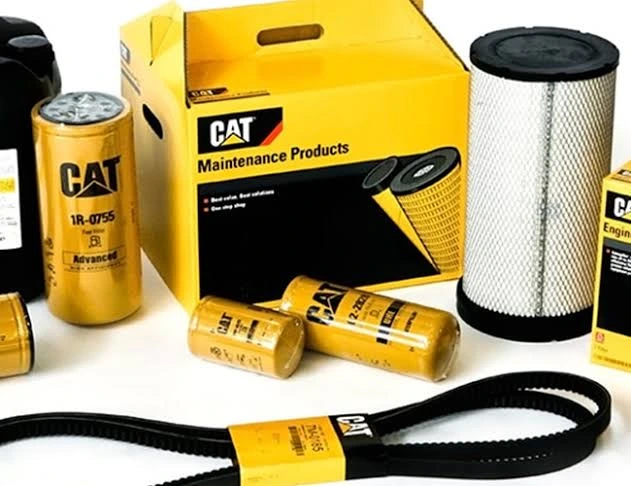
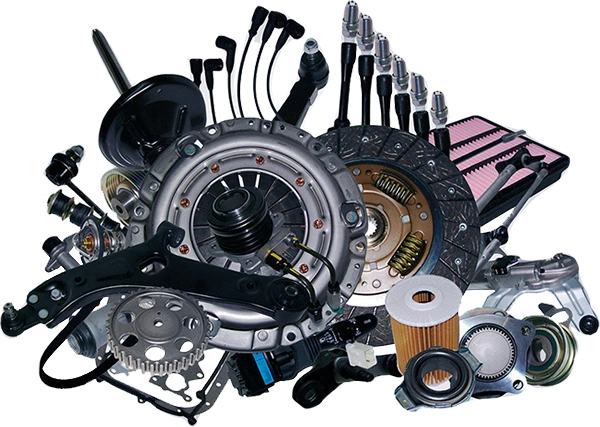
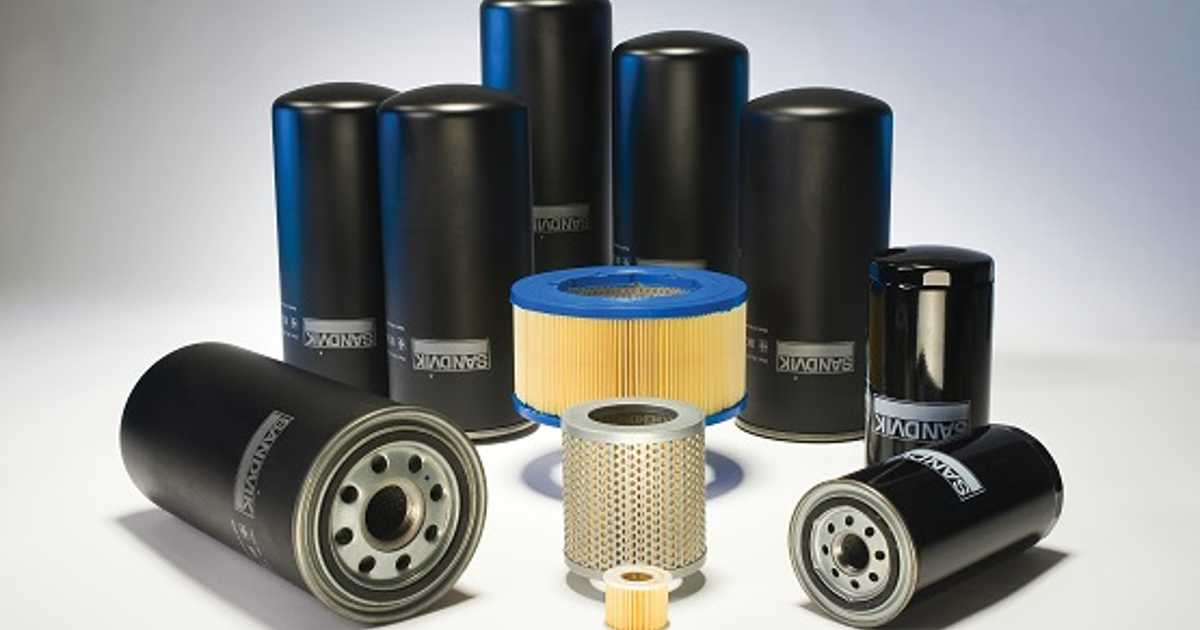
Depending on the type and application of your compressor, the components you’re most likely sourcing on a recurring basis include filters that protect internal systems from dust and contamination, seals and gaskets that maintain pressure integrity across the system, valves that regulate airflow and pressure at each compression stage, lubricants and cooling fluids formulated for compressor-specific operating conditions, and electrical and control components that manage compressor operation and safety cutoffs.
Because compressors are used across so many different applications and equipment types, having a supplier who can source the right parts quickly — rather than starting a search from scratch every time something wears out — makes a real difference in avoiding extended downtime.
Choosing a Supplier You Can Rely On
Sourcing a compressor, or the parts to keep one running, isn’t just a transaction — it’s a decision that affects uptime for months or years afterward. A good supplier should be able to help match compressor specifications to your actual operating requirements, confirm part compatibility before shipping, and respond quickly when you’re facing an unplanned breakdown. That responsiveness matters more than most buyers expect, because in mining and industrial settings, the cost of waiting on a part is almost always higher than the cost of the part itself.
This is exactly where Exominn fits in. Alongside a catalog of compressors built for demanding industrial applications, Exominn supplies filters and fluids, electrical components, and a broad range of compressor spares, giving operators a single, dependable source for both new equipment and the ongoing parts support that keeps operations running smoothly.
Final Thoughts
Compressors may not be the most visible piece of equipment on a mining or construction site, but they’re often one of the most operationally critical. Whether you’re purchasing a new unit or restocking spares before your next maintenance window, working with a supplier who understands both the equipment and the demanding conditions it operates in makes all the difference between reliable output and repeated downtime.
If you’re not sure which compressor or spare part fits your operation, it’s worth a direct conversation before ordering. A quick check with someone who knows the catalog can help you avoid a costly mismatch and unnecessary delays.
Frequently Asked Questions
1. What types of compressors does Exominn supply?
Exominn supplies industrial compressors designed for demanding mining, construction, and manufacturing applications, along with a range of compressor spare parts including filters, fluids, and electrical components.
2. How do I know what size compressor I need for my operation?
Compressor sizing depends on your application’s required output capacity, pressure rating, and duty cycle. It’s best to calculate your actual operational needs or consult a supplier before purchasing, since undersizing or oversizing both create performance and cost issues.
3. Why do compressors fail more often in mining and industrial settings?
Continuous operation combined with dust, vibration, and temperature extremes puts significant strain on compressor components. Units not built for that duty cycle, or maintained with mismatched parts, tend to show problems well before their expected service life.
4. How often should compressor filters and fluids be replaced?
This depends on operating hours, environmental conditions, and manufacturer recommendations, but regular inspection as part of a scheduled maintenance routine helps prevent contamination-related failures and extends component life.
5. Does Exominn supply both compressors and spare parts?
Yes. Exominn’s catalog includes industrial compressors alongside filters and fluids, electrical parts, and other compressor spares, giving operators a single source for equipment and ongoing maintenance support.
6. Why does compressor downtime affect more than just the compressor itself?
Because drilling systems, pneumatic tools, and production lines often depend on a shared compressed air supply, a single compressor failure can halt multiple connected processes at once, making reliability and fast parts sourcing especially important.