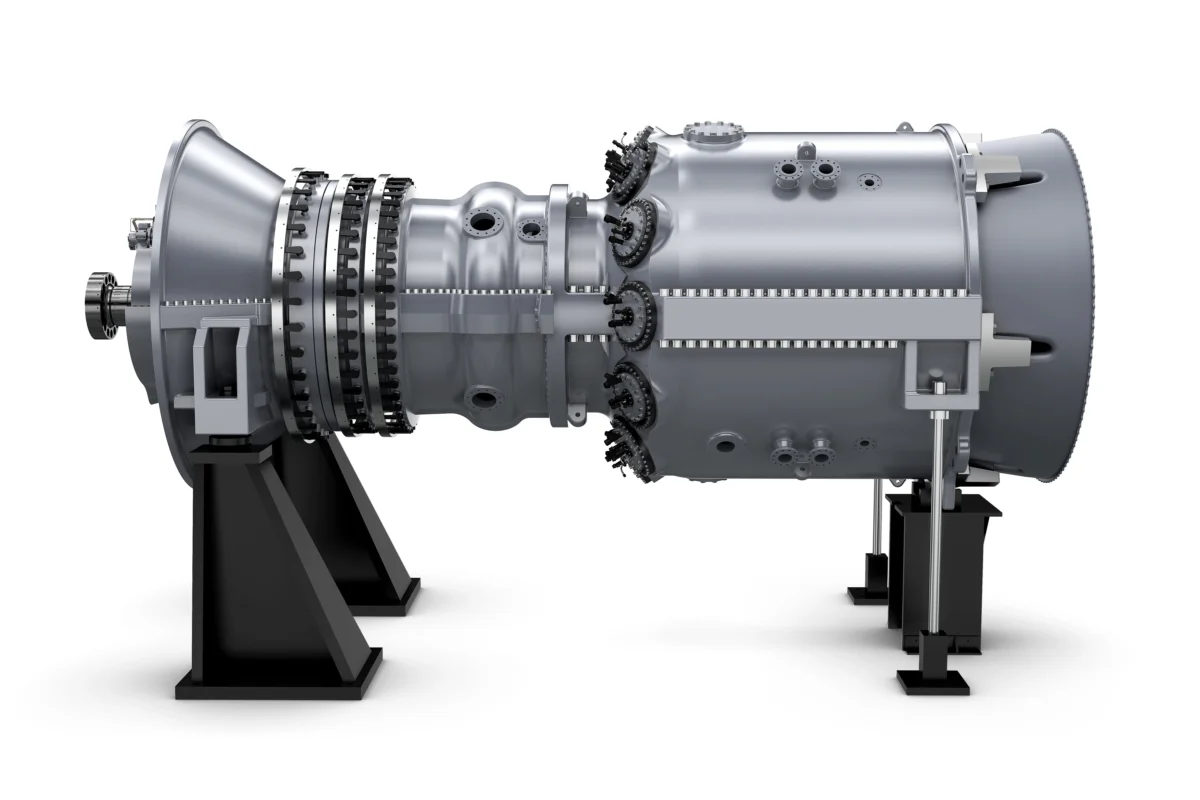


When it comes to turbine engine components, few names carry the weight that Rolls-Royce does. The Allison line of engines — now part of the Rolls-Royce portfolio — has powered everything from helicopters and turboprop aircraft to industrial and marine applications for decades, and the reputation for precision engineering has followed every part that comes off the line. But if you’ve ever tried to source a specific spare part for one of these engines, you already know it’s not as simple as walking into a hardware store. Between exact part numbers, condition grading, and traceability requirements, buying Rolls-Royce engine components takes a bit more care than most industrial parts purchases.
This guide walks through what these parts actually are, why sourcing them correctly matters so much, and what to check before you place an order.
What Kinds of Rolls-Royce (Allison) Parts Are We Talking About?
Rolls-Royce Allison turbine engines are built from thousands of individual components, each engineered for a specific role in keeping the engine running safely and efficiently. On the spares side, the parts that come up most often include:
- Gearshafts — used for torque and power transmission within engine gear assemblies
- Oil transfer tubes — route oil between the housing and oil pump to keep lubrication systems running properly
- Bearings — support smooth rotation and load distribution across rotating assemblies
- Diffuser vent orifices — regulate vented airflow within the engine’s diffuser section
- Links and structural hardware — secure linkage components that maintain structural integrity in engine assemblies
Many of these parts are supplied as “as-removed” components — meaning they’ve been taken out of service from a working engine, rather than manufactured new. That’s a completely normal and widely accepted practice in the aviation and turbine engine world, but it does mean buyers need to be more careful about sourcing than they might be with a brand-new part.
Why “As-Removed” Doesn’t Mean “Lower Quality”
There’s sometimes a misconception that as-removed parts are somehow a compromise compared to new components. In reality, the secondary market for turbine engine parts exists precisely because these components are engineered to extremely tight tolerances and long service lives — many as-removed parts still have significant usable life left, and sourcing them can be both cost-effective and perfectly safe when done through a reputable supplier.
The key word there is “reputable.” Because these are precision components operating under high stress, high temperature, and high rotational speeds, a part that isn’t correctly matched, documented, or inspected can create real risk — not just of underperformance, but of safety issues down the line. This is exactly why traceability and sourcing discipline matter so much more here than in most other spare parts categories.
What to Check Before Buying Rolls-Royce Engine Parts
If you’re sourcing gearshafts, bearings, oil transfer tubes, or similar components, a few checks should be non-negotiable:
- Exact part number match. Rolls-Royce and Allison part numbers are highly specific — a part number that’s “close” isn’t good enough. Always confirm the exact number against your engine’s parts manual.
- Condition and history documentation. For as-removed parts, ask about the part’s service history and condition grading. A reliable supplier should be able to tell you where the part came from and what condition it’s in.
- Supplier traceability. Given the safety-critical nature of turbine engine components, working with a supplier who maintains clear records — not just a listing with no background — is essential.
- Application compatibility. Confirm the part is compatible with your specific engine model and configuration, since even similar-looking components can differ across engine variants.
- Realistic lead times. Some components are harder to source than others. A supplier who’s upfront about availability and timelines is more valuable than one who just says “yes” to everything.
Why Sourcing Reliability Matters More Here Than Almost Anywhere Else
Turbine engines don’t leave much room for guesswork. Whether the application is aviation, marine, or industrial power generation, a component failure can mean anything from unplanned downtime to a serious safety event. That’s a different level of stakes compared to, say, a worn bushing on a crusher — and it’s why sourcing discipline for Rolls-Royce and Allison parts deserves extra attention.
At the same time, this is also an area where a well-connected supplier can genuinely save operators time and money. Locating specific gearshafts, bearings, or vent orifices for older or less common engine variants can be a real challenge, and having a partner who already has visibility into available inventory — rather than starting a search from scratch every time — makes a measurable difference when you’re trying to get an engine back in service.
Sourcing Rolls-Royce Parts Through Exominn
Exominn’s Rolls-Royce catalog spans dozens of components across turbine engine assemblies — from gearshafts and bearings to oil transfer tubes, diffuser vent orifices, and structural linkage hardware. Every listing is built around clear part numbers and condition details, so buyers aren’t left guessing about what they’re actually purchasing. For operators managing engines that need dependable, traceable spares, that clarity is often just as important as the part itself.
Final Thoughts
Rolls-Royce (Allison) engine spare parts sit in a category where precision and documentation matter as much as the part itself. Whether you’re sourcing a gearshaft to keep a gear assembly running or an oil transfer tube to maintain proper lubrication flow, the right approach is the same: confirm exact part numbers, check condition and history, and work with a supplier who treats traceability as a priority, not an afterthought.
If you’re not sure which part matches your engine configuration, it’s worth reaching out directly before ordering. A quick conversation with someone who knows the catalog can help avoid costly mismatches and unnecessary delays.
Frequently Asked Questions
1. What does “as-removed” mean for a Rolls-Royce engine part?
“As-removed” means the part was taken out of service from a working engine rather than manufactured new. This is a standard and widely accepted practice in the turbine engine industry, and many as-removed parts still have significant usable service life remaining.
2. Are as-removed Rolls-Royce parts safe to use?
Yes, when sourced through a reputable supplier who provides clear documentation on the part’s condition and history. Traceability is essential for safety-critical turbine engine components.
3. What Rolls-Royce (Allison) parts does Exominn supply?
Exominn’s catalog includes gearshafts, bearings, oil transfer tubes, diffuser vent orifices, structural linkage hardware, and other turbine engine components across the Rolls-Royce Allison range.
4. How do I confirm a part is compatible with my specific engine?
Always match the exact part number listed against your engine’s parts manual or documentation, and confirm compatibility with your supplier before ordering, since similar-looking parts can differ across engine variants.
5. Why is sourcing discipline more important for turbine engine parts than other industrial components?
Turbine engines operate under high stress, temperature, and rotational speed, and they’re often used in safety-critical applications. A mismatched or poorly documented part carries higher risk than it would in less demanding equipment.
6. Can Exominn help locate hard-to-find Rolls-Royce part numbers?
Yes. Exominn’s team can help confirm compatibility and locate specific part numbers, including components for older or less common engine variants.