

Power reliability is one of those things that only gets noticed when it fails. For industrial facilities, mining operations, and processing plants that need to run around the clock, an unplanned power interruption doesn’t just cost electricity — it costs production time, damaged material, and sometimes safety margin that operators can’t afford to lose. That’s exactly why gas engines have become such a trusted option for continuous industrial power, offering a combination of fuel flexibility, efficiency, and durability that’s hard to match with other technologies.
If you’re evaluating a gas engine for your facility, or trying to understand what actually keeps one running efficiently over years of service, this guide breaks down what matters — from how these engines work to what to look for when sourcing a unit or its spare parts.
What Is a Gas Engine, and How Is It Different from a Gas Turbine?
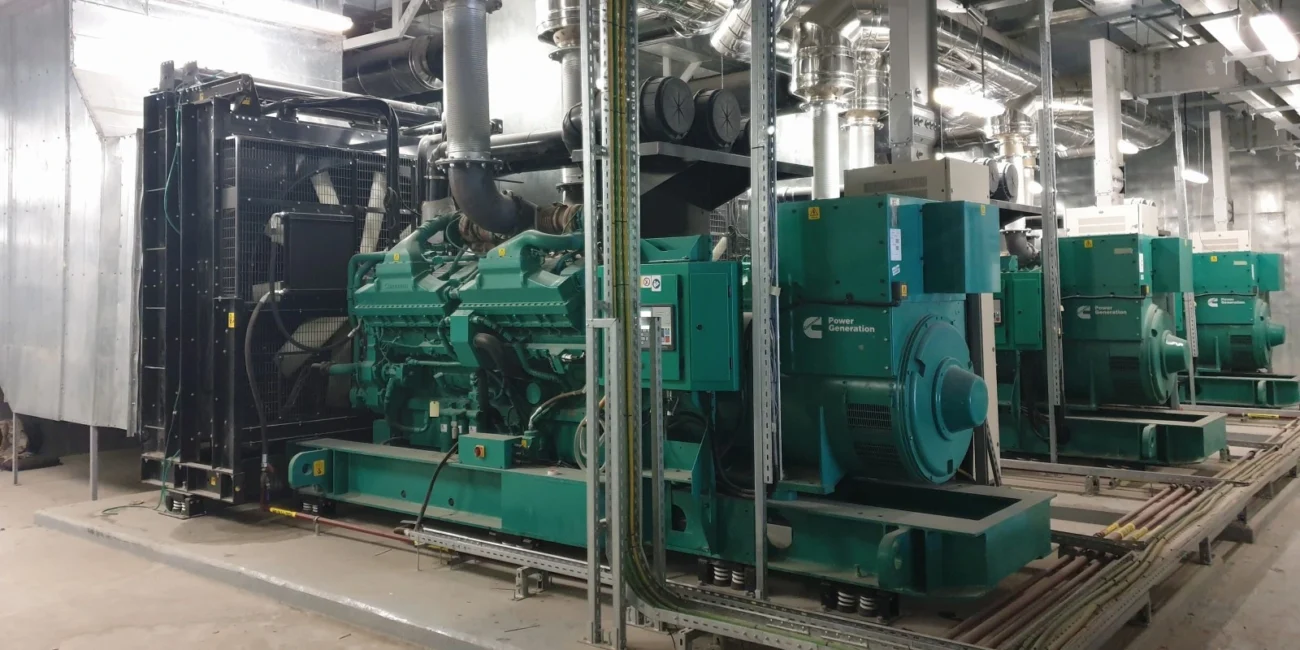
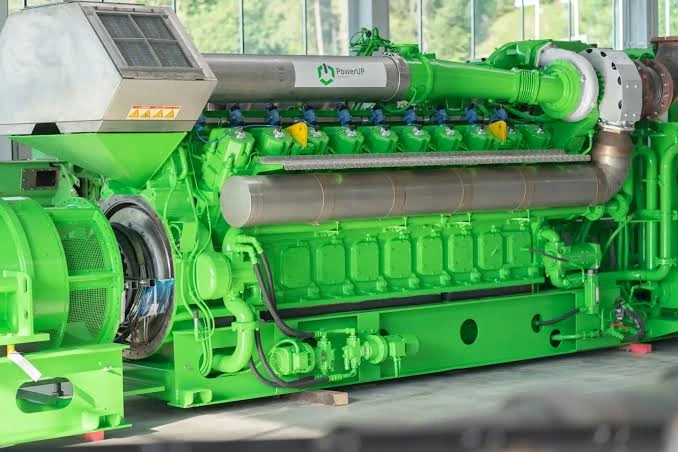
A gas engine is a heavy-duty industrial internal combustion engine built to run on gaseous fuels such as natural gas, biogas, landfill gas, or producer gas, rather than liquid fuels like diesel. Unlike a lightweight automotive engine, a gas engine is engineered for continuous, full-load operation, often running for the vast majority of hours in a year rather than a fraction of it.
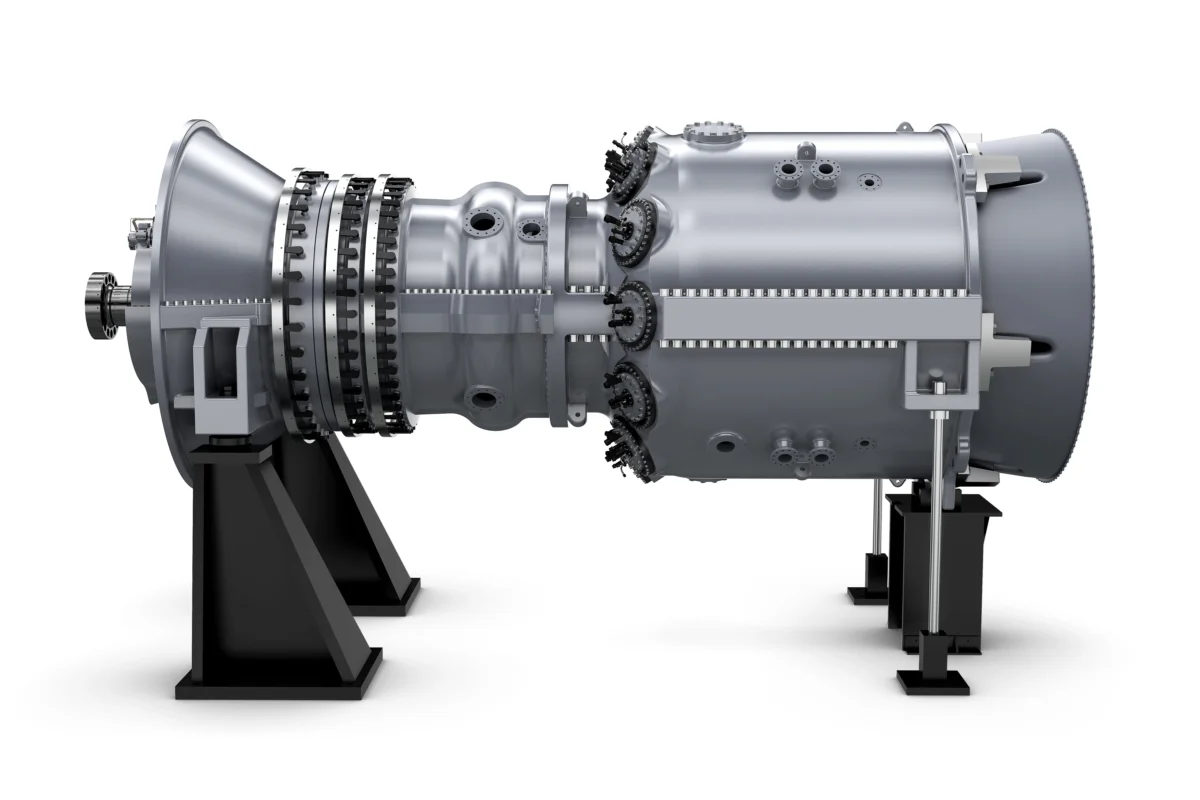
The distinction from a gas turbine matters too. While both run on gaseous fuel, gas engines and gas turbines are built on fundamentally different principles — a gas engine uses reciprocating pistons like a traditional combustion engine, while a turbine uses continuous rotary combustion to spin a shaft. In practical terms, gas engines tend to offer strong efficiency and flexibility at small to mid-range power outputs, while turbines often become more competitive at very large scales. Choosing between them usually comes down to your facility’s specific power requirements, fuel availability, and operating profile.
Why Fuel Flexibility Makes Gas Engines So Valuable
One of the biggest advantages of a gas engine is the range of fuels it can run on. Facilities near a reliable natural gas supply can take advantage of a cost-effective, relatively clean-burning fuel source. Sites with access to biogas or landfill gas, meanwhile, can turn what would otherwise be a waste byproduct into a genuine power source, improving both economics and sustainability outcomes at the same time.
This flexibility is a major reason gas engines have found a home across such a wide range of applications, including manufacturing plants that need dependable baseload power, combined heat and power systems where both electricity and usable heat are captured on-site, biogas and landfill gas facilities converting waste streams into usable energy, and remote industrial or mining operations where grid power isn’t a reliable option.
Why Sourcing Quality Equipment and Parts Actually Matters
A gas engine is a long-term investment, and its performance over years, not just at commissioning, depends heavily on the quality of the unit and the components used to maintain it. An engine running on mismatched or substandard parts doesn’t just underperform; it can suffer accelerated wear, unplanned trips, and significantly higher repair costs down the line.
This is especially true for components directly involved in combustion and fuel delivery, where even small tolerance issues can affect efficiency, emissions, and engine longevity. Whether you’re commissioning a new gas engine or maintaining an existing one, working with equipment and parts that meet original specifications protects both your investment and your uptime.
What to Look for When Choosing a Gas Engine
A few factors deserve close attention before committing to a gas engine purchase. Power output needs to genuinely match your facility’s load requirements, with reasonable headroom for peak demand rather than running at maximum capacity constantly. Fuel type compatibility should be confirmed against what’s actually available at your site, whether that’s natural gas, biogas, or another approved gaseous fuel. Efficiency and heat recovery potential matter significantly if a combined heat and power setup is part of your plan, since capturing exhaust heat can meaningfully improve overall system economics. And maintenance and parts availability deserves serious consideration upfront, since an engine is only as reliable as your ability to keep it properly serviced.
Common Gas Engine Components and Spare Parts
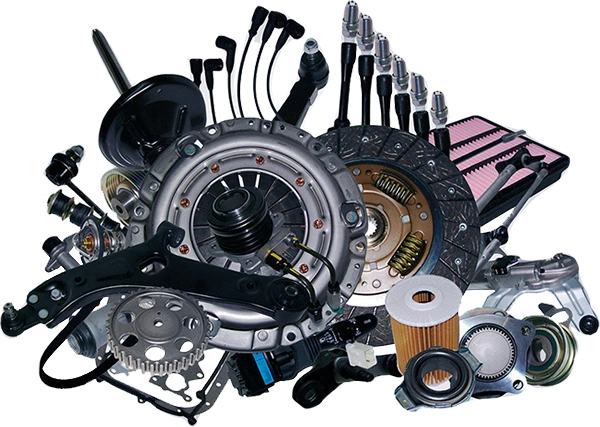
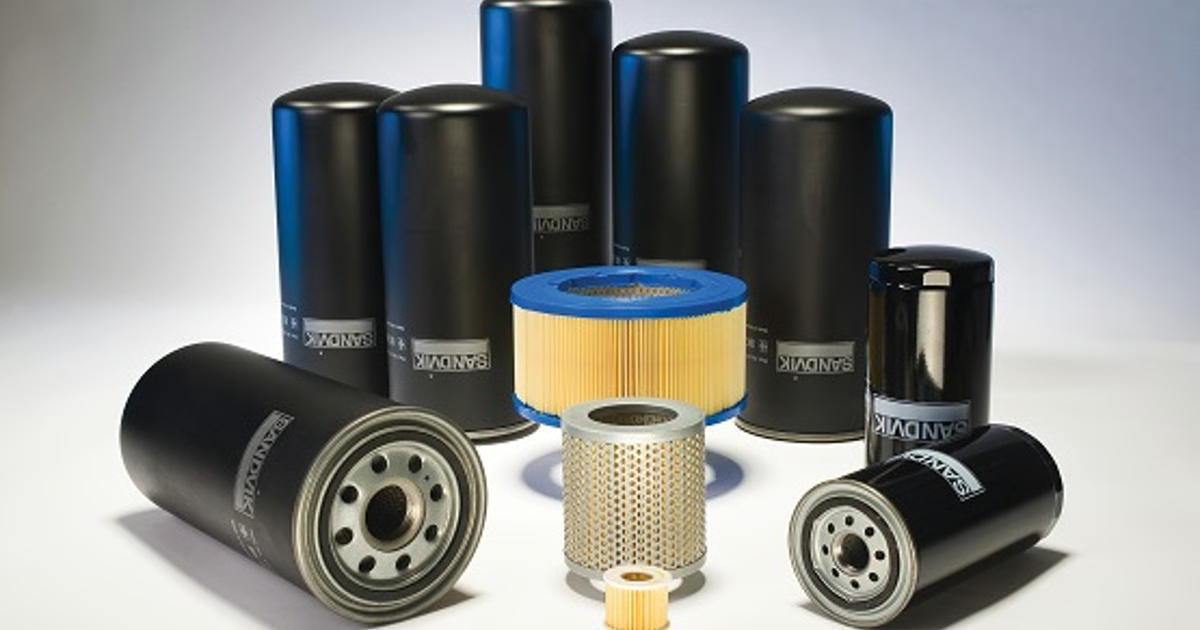
Depending on your engine’s configuration and application, the parts you’re most likely sourcing on a recurring basis include fuel injectors that deliver precise fuel metering for efficient combustion, seals and gaskets that maintain pressure integrity and prevent leaks across the engine, belts that support power transmission for auxiliary systems, starters that provide reliable engine cranking, and filters and cooling system components that protect the engine from contamination and overheating.
Because gas engines are precision-engineered systems, sourcing genuine or correctly specified replacement parts is what keeps combustion efficiency, emissions performance, and overall reliability where they need to be over the engine’s full service life.
Sourcing Gas Engines and Spare Parts Through Exominn
Because a gas engine represents such a significant capital investment, finding a supplier who understands both the equipment and the broader power generation ecosystem makes a real difference. Exominn’s catalog spans gas engines alongside diesel and gas generators, alternators, and a wide range of spare parts across major industrial brands, giving operators a single source for both new equipment and the ongoing parts support that keeps power generation reliable over the long term.
Final Thoughts
Gas engines have earned their place as a dependable, fuel-flexible option for industrial power generation, offering strong efficiency and reliability across sectors that can’t afford downtime. But getting full value from that investment comes down to two things: choosing the right unit for your application, and maintaining it with quality components once it’s in service.
If you’re evaluating a gas engine purchase or need help sourcing spare parts for an existing unit, it’s worth talking directly to a supplier who can walk through your site’s specific power and fuel requirements rather than guessing your way through a spec sheet.
Frequently Asked Questions
1. What fuels can a gas engine run on?
Gas engines can typically run on natural gas, biogas, landfill gas, or producer gas, depending on the engine’s design and configuration, offering more fuel flexibility than diesel-only alternatives.
2. How is a gas engine different from a gas turbine?
A gas engine uses reciprocating pistons similar to a traditional combustion engine, while a gas turbine uses continuous rotary combustion. Gas engines are often more efficient and flexible at small to mid-range power outputs, while turbines tend to become more competitive at very large scale.
3. Can gas engines be used for combined heat and power systems?
Yes. Gas engines are well suited to combined heat and power setups, where exhaust heat is captured and reused for industrial heating or processes, improving overall system efficiency and economics.
4. How important is spare parts availability when choosing a gas engine?
It’s critical. Gas engines are long-term assets, and downtime waiting for parts can be far more costly than the parts themselves. Choosing a supplier with reliable access to genuine components should be part of the purchase decision from the start.
5. Does Exominn supply both gas engines and spare parts?
Yes. Exominn supplies gas engines alongside diesel and gas generators, alternators, and a broad catalog of spare parts, giving operators a single source for equipment and ongoing maintenance support.
6. What factors affect gas engine efficiency over time?
Fuel quality, maintenance schedules, component wear, and the use of correctly specified spare parts all affect long-term efficiency. Regular inspection and timely part replacement help maintain performance and avoid unplanned outages.