

Ask anyone running a power plant, an industrial facility, or an off-grid mining operation what keeps them up at night, and “power reliability” is usually near the top of the list. Downtime isn’t just inconvenient — it’s expensive, and in industries running continuous processes, even a few hours without power can mean lost production, spoiled material, or safety risks. That’s exactly why gas turbines remain one of the most trusted technologies for prime and continuous power generation across industrial, commercial, and combined heat and power (CHP) applications.
If you’re evaluating a gas turbine for your facility, or trying to understand what actually goes into keeping one running efficiently, this guide breaks down what you need to know — from how these machines work to what to look for when sourcing a unit or its spare parts.
What Is a Gas Turbine, and Why Does It Matter?
At its core, a gas turbine converts the energy in natural gas or another gaseous fuel into mechanical energy, which then drives a generator to produce electricity. Air is drawn in and compressed, mixed with fuel and ignited, and the resulting high-pressure combustion gases spin a turbine at high speed. That rotational energy is what ultimately generates power.
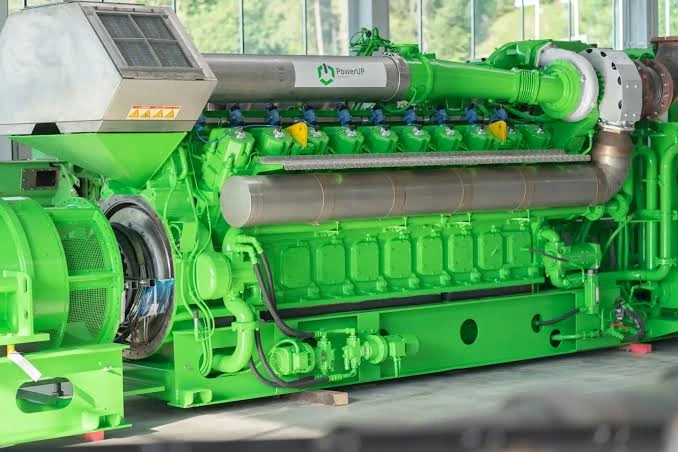
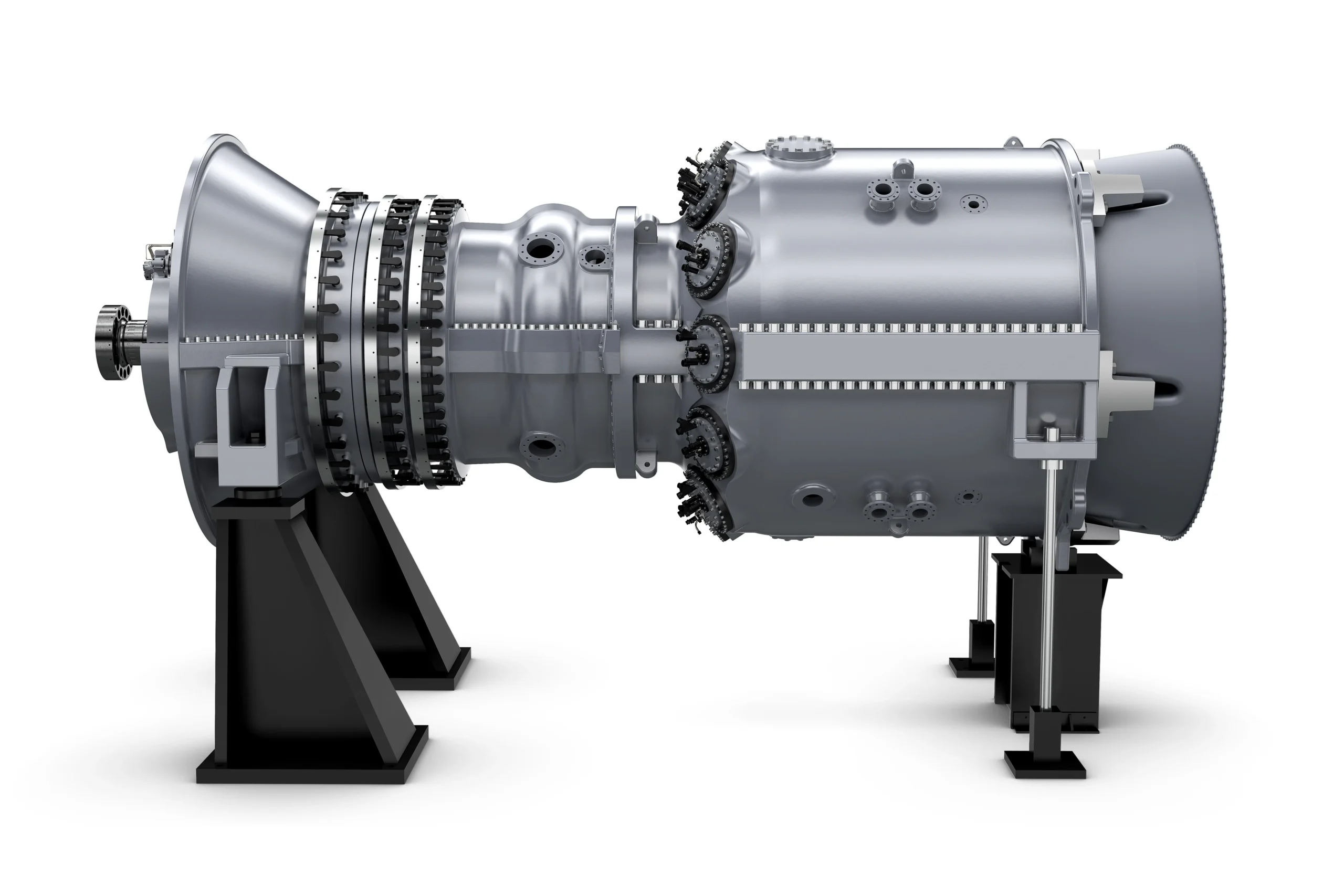
What makes gas turbines particularly attractive for industrial use is their combination of high power density, relatively fast startup times, and the ability to run efficiently for extended periods. A unit like the Centrax CX501-KB7S, for example, delivers 5.2 MWe of output running on natural gas or approved gaseous fuels at 50 Hz — suitable for prime power, continuous power, and CHP systems where both electricity and usable heat are needed on-site.
Where Gas Turbines Are Used
Gas turbines aren’t a one-size-fits-all solution, but they show up across a surprisingly wide range of industries:
- Industrial manufacturing plants that need continuous, dependable power for round-the-clock operations
- Combined heat and power (CHP) systems, where the turbine’s exhaust heat is captured and reused for heating, steam generation, or industrial processes — significantly improving overall efficiency
- Oil and gas facilities, often in remote locations where grid power isn’t reliable or available
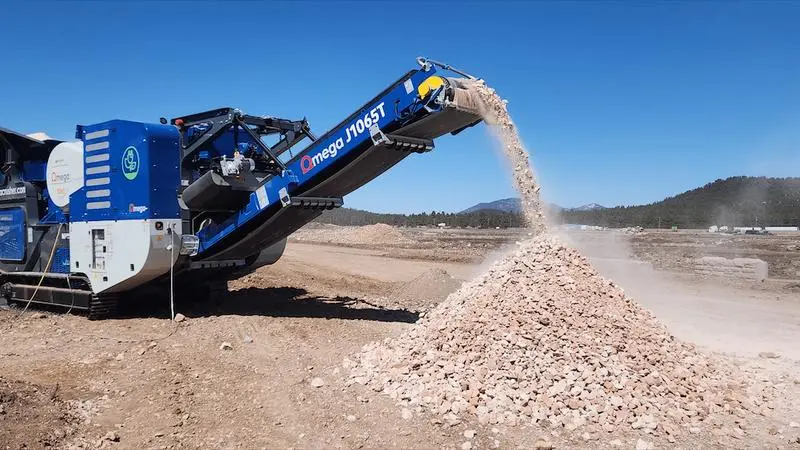
- Mining and quarrying operations, where power interruptions directly translate into lost production
- Commercial and institutional facilities looking for backup or prime power with lower emissions than traditional diesel generation
The common thread across all of these is simple: when power has to be dependable, gas turbines offer a proven, well-understood technology that operators have trusted for decades.
Why Sourcing Quality Equipment (and Parts) Actually Matters
Here’s something operators learn quickly: a gas turbine is a long-term investment, and its performance over years — not just at commissioning — depends heavily on the quality of the unit and the parts used to maintain it. A turbine running on mismatched or substandard components doesn’t just underperform; it can suffer accelerated wear, unplanned trips, and costlier repairs down the line.
This is particularly true for rotating and combustion components, where even small tolerance issues can cascade into vibration problems, efficiency losses, or premature part failure. Whether you’re commissioning a new unit or maintaining an existing one, working with equipment and parts that meet original specifications isn’t a “nice to have” — it’s what protects your investment and your uptime.
What to Look for When Buying a Gas Turbine
If you’re in the market for a gas turbine — new or used — a few factors deserve close attention before you commit:
- Power output and application fit. Make sure the turbine’s rated output (measured in MWe) actually matches your load requirements, with reasonable headroom for peak demand.
- Fuel type compatibility. Confirm the unit runs on the fuel available at your site — natural gas, associated gas, or other approved gaseous fuels.
- Frequency requirements. Verify the turbine’s output frequency (typically 50 Hz or 60 Hz depending on your region) matches your grid or facility standard.
- Cooling system design. Air-cooled versus water-cooled systems each come with trade-offs depending on your site’s climate and water availability.
- Maintenance and parts availability. Before buying, understand how easily you’ll be able to source spares and support down the line — this is often overlooked and becomes a major pain point later.
- Application suitability. Confirm whether the unit is rated for prime power, continuous power, or CHP use, since duty cycle expectations affect long-term wear.
Sourcing Gas Turbines and Spare Parts
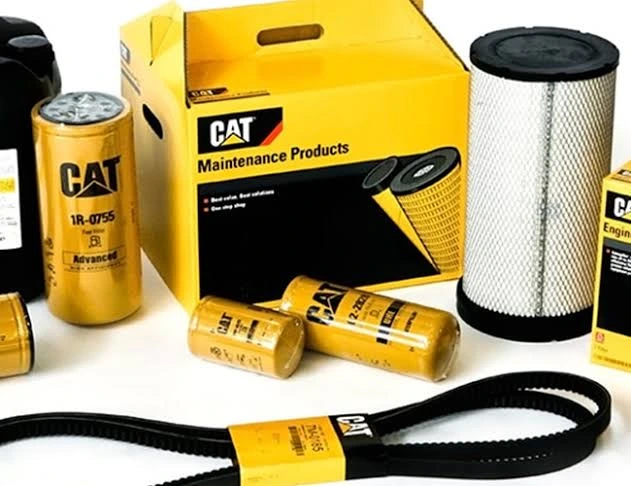
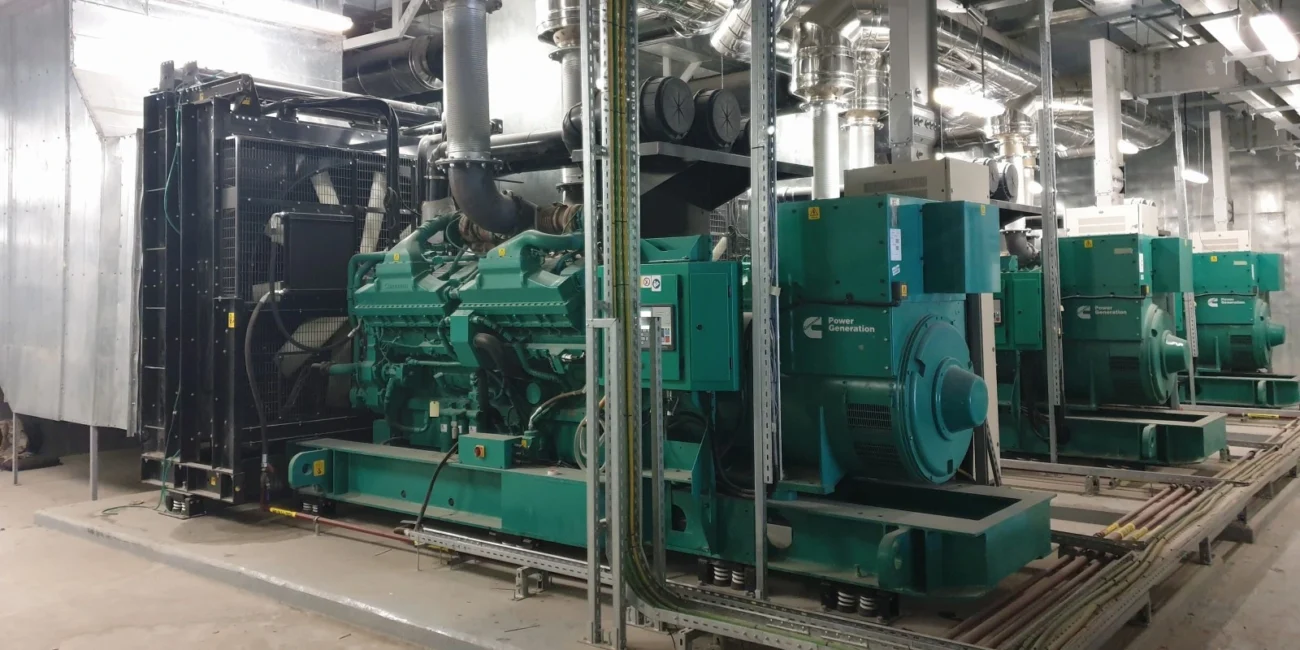
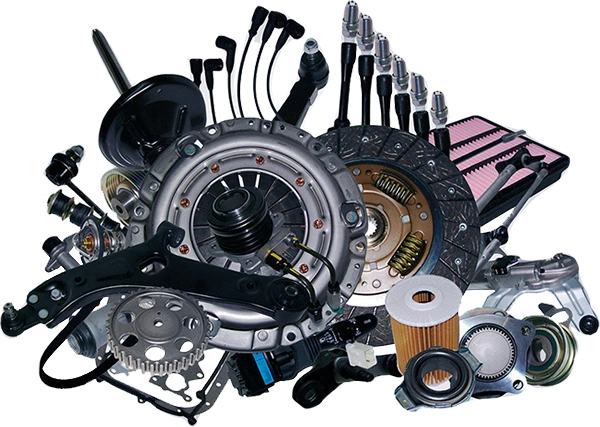
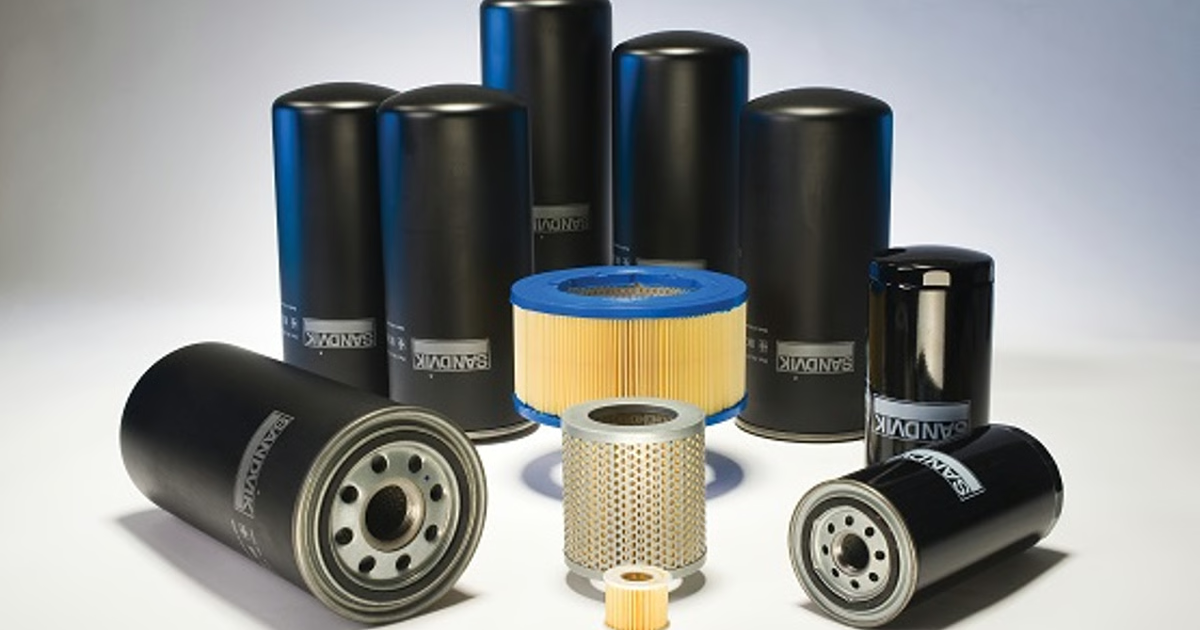
Because gas turbines represent such a significant capital investment, finding a supplier who understands both the equipment and the broader power generation ecosystem makes a real difference. That means being able to source not just the turbine itself, but the alternators, cooling systems, electrical components, and control modules that keep it running — along with genuine spare parts when maintenance time comes around.
This is where Exominn fits in. Alongside gas turbines like the Centrax CX501-KB7S, Exominn’s catalog spans diesel and gas generators, alternators, compressors, and a wide range of spare parts across major industrial brands — giving operators a single source for both new equipment and the ongoing parts support that keeps power generation reliable over the long term.
Final Thoughts
Gas turbines have earned their place as a dependable backbone of industrial power generation, offering strong output, fuel flexibility, and proven reliability across sectors that simply can’t afford downtime. But getting the full value out of a turbine investment comes down to two things: choosing the right unit for your application, and maintaining it with quality components once it’s in service.
If you’re evaluating a gas turbine purchase or need help sourcing spare parts for an existing unit, it’s worth talking directly to a supplier who can walk through your site’s specific power and application needs — rather than guessing your way through a spec sheet.
Frequently Asked Questions
1. What’s the difference between a gas turbine and a gas generator?
A gas turbine uses combustion gases to spin a turbine that drives a generator, typically suited for larger-scale, continuous power applications. Gas generators (often reciprocating engine-based) are commonly used for smaller-scale or more variable-load power needs. The right choice depends on your facility’s power demand and duty cycle.
2. What power output does the Centrax CX501-KB7S gas turbine offer?
The Centrax CX501-KB7S is rated at 5.2 MWe, running on natural gas or approved gaseous fuels at 50 Hz, and is suitable for prime power, continuous power, and CHP applications.
3. Can gas turbines be used for combined heat and power (CHP) systems?
Yes. Gas turbines are well-suited to CHP setups, where exhaust heat is captured and reused for industrial heating or steam generation, significantly improving overall system efficiency.
4. How important is spare parts availability when choosing a gas turbine?
It’s critical. Turbines are long-term assets, and downtime waiting for parts can be far more costly than the parts themselves. Choosing a supplier with reliable access to genuine components should be part of your purchase decision, not an afterthought.
5. Does Exominn supply both gas turbines and spare parts?
Yes. Exominn supplies gas turbines like the Centrax CX501-KB7S alongside a broad catalog of generators, alternators, compressors, and spare parts, giving operators a single source for equipment and ongoing maintenance support.
6. What factors affect gas turbine efficiency over time?
Fuel quality, maintenance schedules, component wear, and the use of genuine or correctly specified spare parts all affect long-term efficiency. Regular inspection and timely part replacement help maintain performance and avoid unplanned outages.