

Ask anyone who’s managed a mining site for more than a few years, and they’ll tell you the same thing: it’s rarely the big, obvious failures that hurt the most. It’s the small part — a worn bushing, a mismatched filter, a bearing that gave out a few weeks early — that quietly turns into hours or days of lost production. In an industry where equipment runs around the clock under extreme load, dust, and vibration, the reliability of your spare parts supply chain is just as important as the machinery itself.
This guide covers what mining operators and maintenance teams should know before their next parts order — what these components actually cover, why sourcing quality matters so much, and how to buy smarter instead of just buying fast.
What Falls Under “Mining Equipment Parts”?
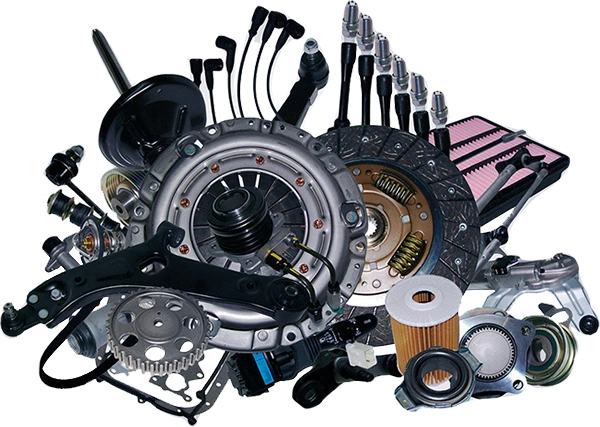
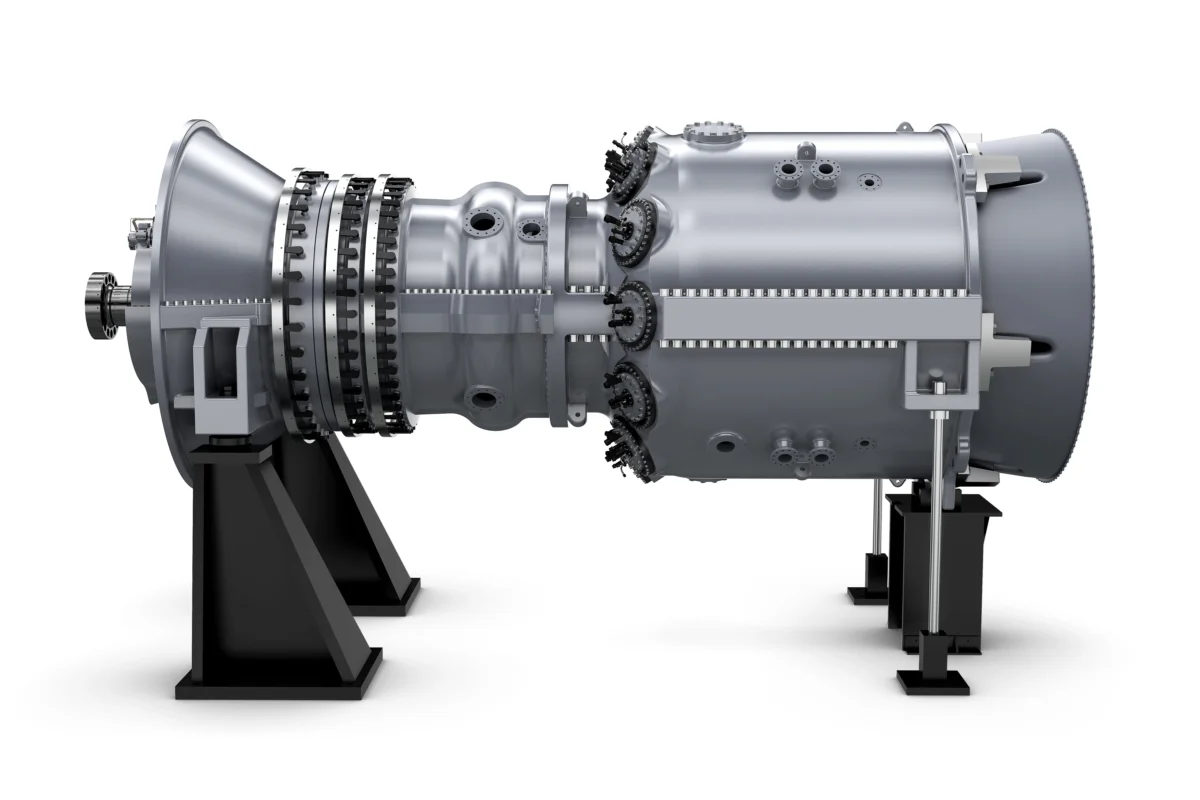
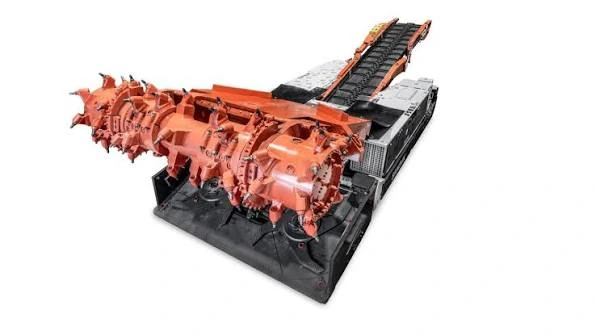
It’s a broad category, and that’s exactly the point — mining operations run a huge mix of machinery, and keeping all of it running means sourcing components across drilling rigs, crushing and screening plants, haul trucks, loaders, and conveyor systems. In practice, that typically includes:
- Wear and structural parts — liners, plates, and components that take the brunt of abrasive material and constant impact
- Bearings and bushings — critical for reducing friction and extending service life across rotating machinery
- Hydraulic components — motors, pumps, and cylinders that power everything from crushers to excavation equipment
- Electrical and control parts — sensors, modules, and wiring components that keep machinery operating safely and efficiently
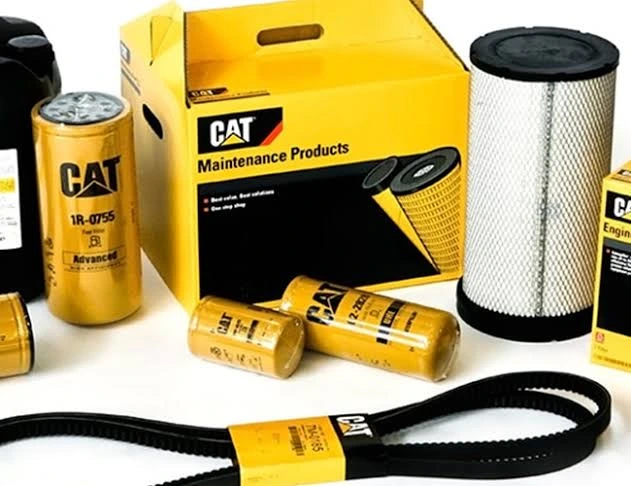
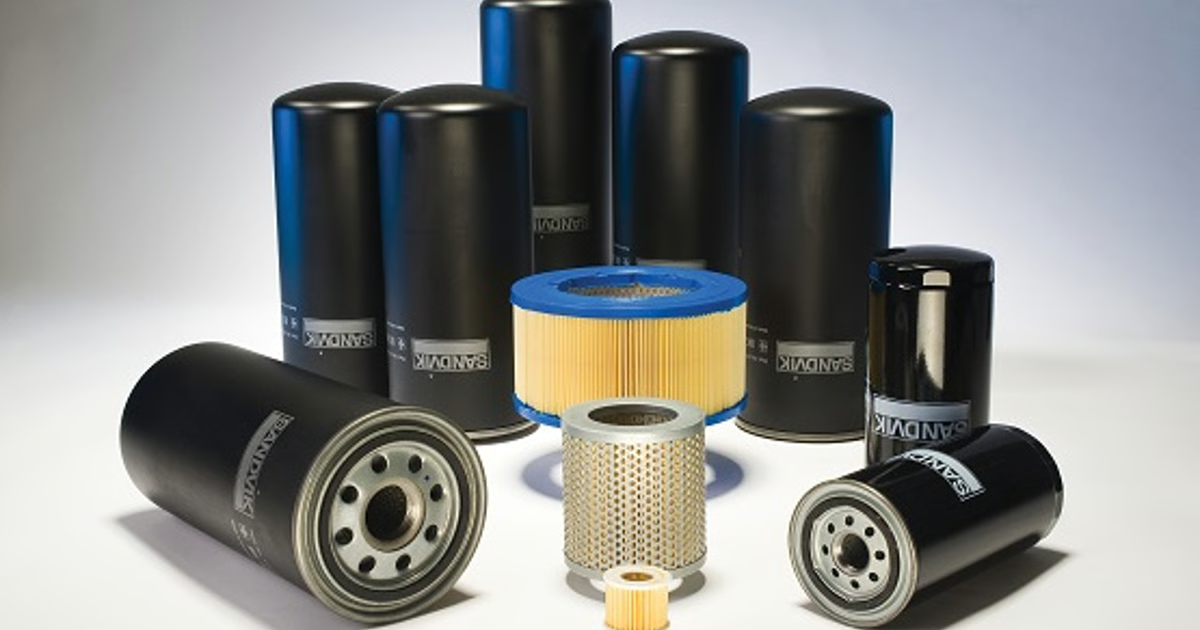
- Filters and fluids — protecting engines and hydraulic systems from the dust and contamination that mining environments are famous for
- Drivetrain and transmission components — keeping power delivery consistent under heavy, sustained loads
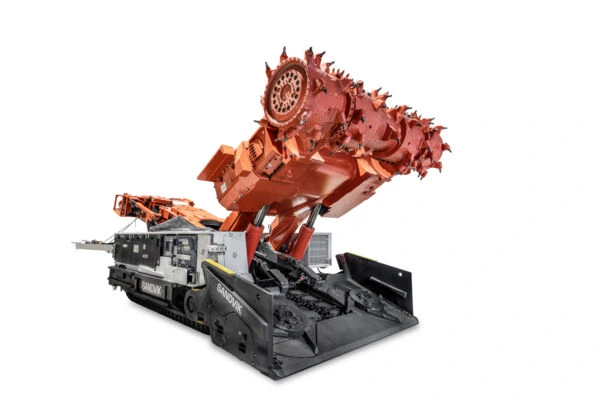
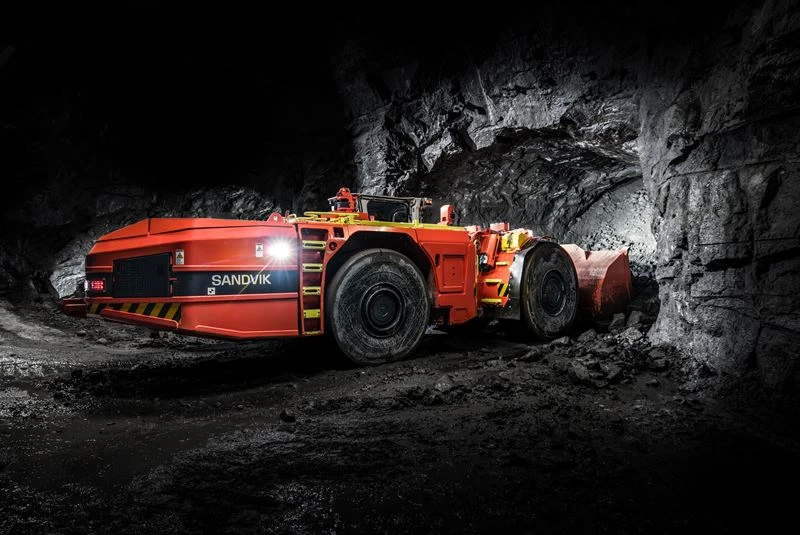
Because mining fleets often mix equipment from multiple manufacturers — Caterpillar, Komatsu, Sandvik, Hitachi, and others — the parts catalog an operation needs to draw from can get complicated fast. That’s often the real challenge: not finding a part, but finding the right part, for the right machine, from a supplier who actually stocks it.
Why Part Quality Has an Outsized Impact on Uptime
Mining equipment operates under some of the harshest conditions any machinery faces — constant vibration, abrasive dust, extreme loads, and long duty cycles with little tolerance for error. In that kind of environment, the gap between a genuine or precision-matched part and a lower-quality substitute isn’t small. It’s often the difference between a component that lasts its full expected service life and one that fails months, or even weeks, early.
And it rarely stops at just the one part. A slightly undersized bushing or a bearing made from lower-grade steel can throw off the balance of an entire assembly, increasing vibration and stress on everything around it. What starts as a “minor” cost saving on a cheaper component often turns into a cascading repair bill — and worse, unplanned downtime that costs far more than the part itself ever would have.
How to Evaluate Mining Parts Suppliers
Not all suppliers are created equal, and in an industry where downtime is this expensive, vetting your source matters as much as vetting the part. A few practical checks before you commit to a supplier:
- Confirm exact part numbers and specifications. Vague listings or suppliers unwilling to confirm precise specs are a warning sign.
- Ask about material and manufacturing standards. A reliable supplier should be able to speak to how a part is made and sourced, not just what it costs.
- Check fitment tolerances carefully. In heavy machinery, a part that “mostly” fits is a different thing from one that actually fits — and the difference shows up in wear rates and performance.
- Look for multi-brand sourcing capability. Mixed fleets need suppliers who can cover Caterpillar, Komatsu, Sandvik, and other major brands — not just one.
- Evaluate delivery speed and track record. When a machine is down, how fast a supplier can get you the right part often matters more than a marginal price difference.
Why Fast, Reliable Delivery Matters as Much as the Part Itself
In mining, the real cost of a breakdown usually isn’t the part — it’s the time spent waiting for it. A crusher offline for a few days because of a slow parts order can cost far more in lost production than the part itself, sometimes by orders of magnitude. That’s why sourcing from a supplier with genuine stock availability and a track record of fast dispatch isn’t a bonus feature; it’s a core part of managing operational risk.
This is precisely the gap Exominn is built to close. With a catalog spanning hundreds of mining equipment parts — across wear components, bearings, hydraulic systems, electrical parts, and filters and fluids for major equipment brands — combined with delivery capability across India and internationally, the goal is simple: get operators the right part, verified and ready to install, without the delays that turn a manageable repair into a costly shutdown.
Building a Smarter Parts Sourcing Strategy
Beyond reactive buying — ordering a part only after something fails — the operations that manage downtime best tend to treat parts sourcing proactively. That means identifying high-wear components ahead of time, keeping critical spares on hand for equipment that can’t afford extended downtime, and building a relationship with a supplier who understands your specific fleet rather than starting from scratch with every order. Over time, that kind of relationship pays for itself many times over in avoided downtime alone.
Final Thoughts
Mining equipment parts might not be the most exciting purchase on a procurement list, but they’re arguably one of the most operationally critical. The right part, sourced correctly and delivered on time, keeps production running. The wrong one — whether mismatched, low-quality, or simply late — can cost far more than its price tag ever suggested.
If you’re not sure exactly which part fits your equipment, or you’re managing a mixed fleet across multiple brands, it’s worth reaching out directly rather than guessing. A quick conversation with someone who knows the catalog can save you from an expensive mismatch and unnecessary downtime.
Frequently Asked Questions
1. What types of mining equipment parts does Exominn supply?
Exominn’s mining equipment parts catalog includes wear and structural components, bearings and bushings, hydraulic parts, electrical components, filters and fluids, and drivetrain parts, sourced for major equipment brands used across mining operations.
2. How do I know if a mining part is genuine or correctly specified?
Confirm the exact part number against your equipment’s specifications, ask your supplier for material or sourcing documentation, and work with an established supplier who can speak clearly to fitment and manufacturing standards.
3. Why do low-quality mining parts fail faster than genuine components?
They’re often made with lower-grade materials or looser tolerances. In high-vibration, high-load mining environments, even small deviations accelerate wear and can stress surrounding components, increasing the risk of unplanned downtime.
4. Can Exominn source parts for a mixed equipment fleet?
Yes. Exominn supplies parts across major brands including Caterpillar, Sandvik, and others, which is especially useful for operations running mixed fleets and needing a single, reliable sourcing partner.
5. How fast can Exominn deliver mining equipment parts?
Delivery times vary depending on part availability and destination, but Exominn prioritizes fast dispatch across India and internationally to help minimize equipment downtime.
6. How can I reduce unplanned downtime related to parts availability?
Identifying high-wear components in advance, keeping critical spares in stock, and building a relationship with a supplier who understands your specific fleet are the most effective ways to avoid last-minute sourcing delays.