

When a gas turbine goes down unexpectedly, every hour hurts. Generation stops, contracts come under pressure and the maintenance team has to find the right part fast. The difference between a short outage and a long one often comes down to one thing: whether the correct component was planned for in advance.
This guide explains the main categories of gas turbine power plant spare parts, what to check before ordering and how to build a sourcing approach that protects uptime and budget. The examples focus on widely used heavy-duty machines such as the GE Frame 9E, MS6001FA, Frame 6 and MS5002D, along with Westinghouse W251 units.
Why Spare Parts Planning Matters
Gas turbines run under severe conditions. High combustion temperatures, fast rotation and repeated start-stop cycles wear down hot section hardware over time. This wear is expected and can be predicted, which means it can also be planned for.
Plants without a spares strategy typically face longer outages, urgent-order pricing and pressure to accept whatever part is available quickly. A planned approach to gas turbine power plant spare parts replaces these surprises with scheduled maintenance.
Hot Gas Path Components
The hot gas path takes the heaviest thermal load, so it drives most of the spares budget.
Nozzles. Stage 1, Stage 2 and Stage 3 nozzles direct hot gas onto the turbine buckets. For FR9 machines, nozzles are available by stage, and some Stage 2 designs include brush seal arrangements. Because each stage has its own geometry and part number, matching the right stage to your unit is essential.
Buckets (blades). FR9E Stage 1, Stage 2 and Stage 3 buckets convert gas energy into rotation. Some Stage 3 designs use a cutter tooth configuration, so design type matters when ordering.
Shrouds and seals. These control clearances and leakage, and directly affect efficiency.
Combustion System Parts
The combustion section shapes efficiency, emissions and starting reliability.
- Cap and liner assemblies are replaced at regular combustion inspection intervals.
- Transition pieces carry hot gas from the combustor to the first-stage nozzle and face severe thermal cycling.
- Dual fuel nozzles, such as those used on FR9E units, allow operation on gas and liquid fuel. They need careful verification of fuel configuration before purchase.
For units with advanced combustion systems, such as an MS6001FA with DLN 2.6, the combustion hardware is specific to that design, so compatibility checks are critical.
Rotors and Major Assemblies
Rotors are among the most valuable assets in any plant. Options available in the market include rotor assemblies for machines like the MS5002D (HP and LP), Westinghouse W251 rotors and Frame 6 components. For rotors, always request inspection history, run hours, repair records and balancing data. A rotor that looks right on paper but lacks documentation is a risk.
Complete Units and Plant Packages
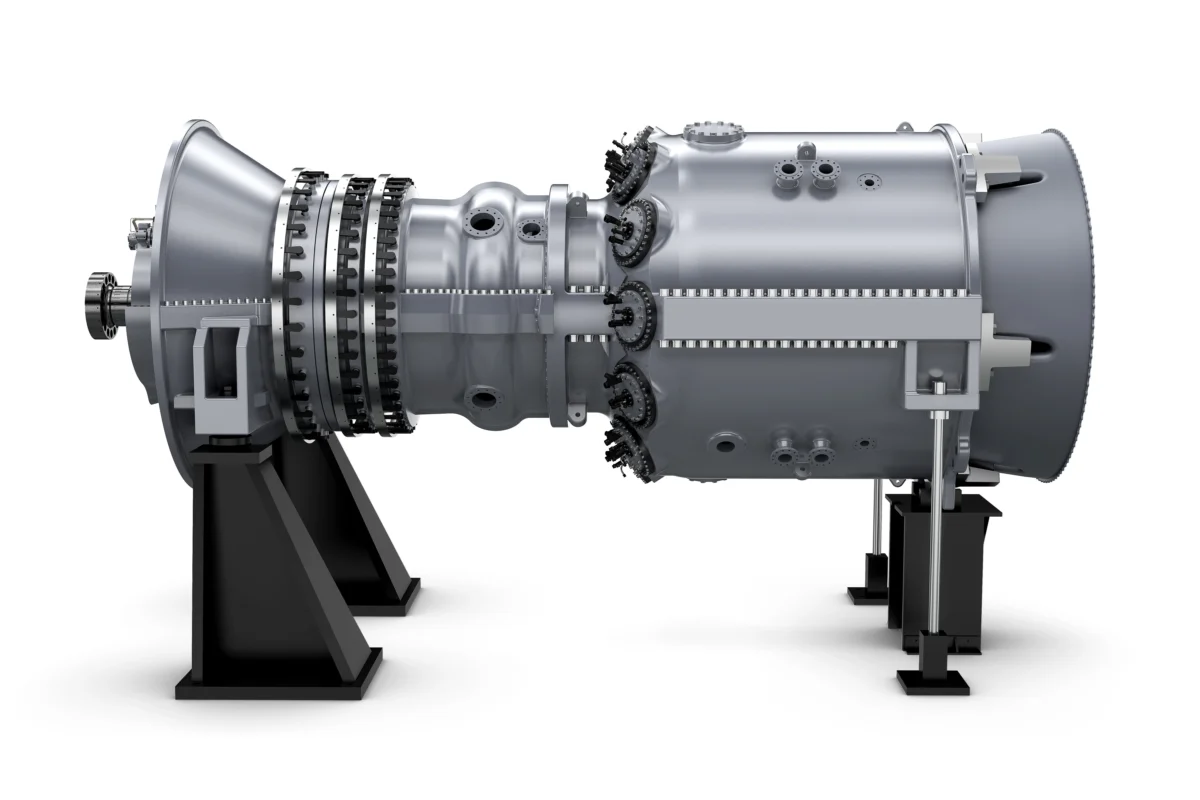
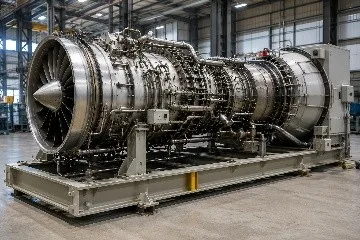
Sometimes the best answer is not a single part but a whole machine. Used or surplus gas turbines, such as a 9E.03 unit or a Frame 6 PG6581(B), can serve as replacements, donor units for parts or capacity additions. Larger plant packages, including multi-unit combined cycle configurations, are also traded in the market. For these, a full condition assessment is essential before any commitment.
OEM, Aftermarket or Refurbished?
There is no universal answer.
- OEM parts carry full design backing and suit critical components.
- Aftermarket parts can offer good value and shorter lead times when properly documented and tested.
- Refurbished parts can extend the life of expensive hardware if the repair process is sound.
Many plants use a mix, choosing the option that fits the risk and cost of each component.
What to Check Before You Order
Careful verification prevents costly mistakes.
- Exact model and frame. A part for one variant may not fit another.
- Part number and revision. Confirm the full number, including the group suffix.
- Condition. New, used or refurbished should be clearly stated.
- Documentation. Ask for material certificates, inspection reports and repair records.
- Photos and dimensional checks. Visual and measured confirmation reduces surprises.
- Lead time and logistics. Heavy, high-value parts need proper packing and shipping plans.
Building a Smart Inventory Strategy
You do not need to stock everything. You need to stock the right things.
Rank by criticality. Parts with long lead times and high outage impact belong on your critical list first.
Use operating data. Run hours, start counts and fuel type show where wear actually occurs.
Plan around inspections. Combustion, hot gas path and major inspections follow predictable cycles, so order well before the outage window.
Review regularly. Load patterns and fuel quality change, and your spares list should change too.
Common Mistakes to Avoid
- Waiting for a failure before sourcing parts.
- Choosing purely on price without checking documentation.
- Ordering without confirming stage, design type or revision.
- Storing blades, nozzles and seals without protective packaging.
Final Thoughts
Reliable generation comes from disciplined maintenance and informed purchasing. By knowing which components wear fastest, verifying part numbers carefully and working with a supplier who understands your turbine model, you can cut avoidable downtime and control lifecycle cost.
A solid plan for gas turbine power plant spare parts today means fewer emergencies and smoother outages tomorrow. If you are reviewing your spares list or preparing for an upcoming inspection, share your turbine model and part requirements with a qualified supplier and get a clear, documented quote.