

If you’ve ever run a Caterpillar machine on a mine site, you already know something most people outside the industry don’t: it’s rarely the big, obvious failures that hurt you. It’s the small stuff. A worn seal. A filter that should’ve been swapped two weeks ago. A coolant that broke down under heat faster than it should have. These are the parts nobody talks about at trade shows, but they’re the ones that decide whether your equipment runs for another ten thousand hours or ends up sitting idle while you wait on a delivery.
That’s really what this post is about — not just listing parts, but talking honestly about why sourcing genuine Caterpillar spare parts matters, and how the right supplier can save you from a headache you didn’t see coming.
Why Caterpillar Equipment Deserves Caterpillar-Grade Parts
Caterpillar built its reputation on machines that survive brutal conditions — heat, dust, vibration, and years of continuous duty cycles most equipment couldn’t dream of surviving. But that reliability isn’t just about the machine itself. It’s about every component working together the way it was engineered to.
When you swap in a part that wasn’t built to the same tolerances, even something as small as a filter or a gasket, you’re introducing a weak link. Maybe it holds up for a while. Maybe it doesn’t. Either way, you’re rolling the dice on a machine you can’t afford to gamble with.
That’s why so many operators specifically look for Caterpillar spare parts rather than settling for “close enough” alternatives. It’s not brand loyalty for its own sake — it’s the simple fact that matched components tend to fail less, last longer, and protect the rest of the machine in the process.
The Parts That Quietly Keep Caterpillar Machines Running
Every operator has their own war story about a part failure that cost them a shift, a week, or worse. A few categories come up again and again:
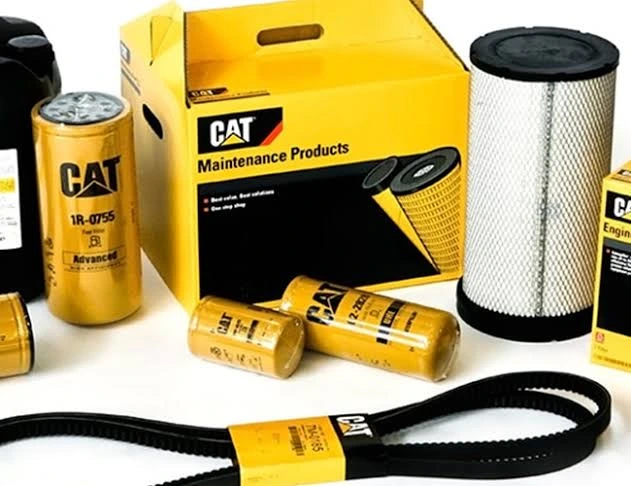
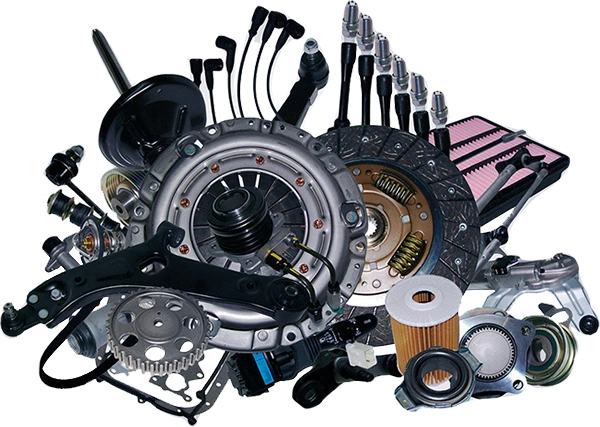
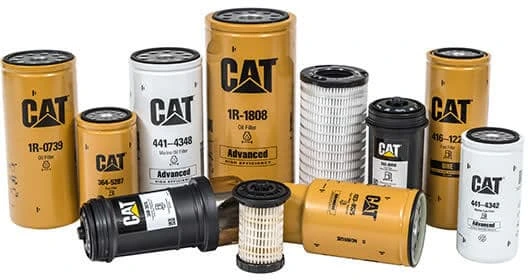
Filters. Air filters and closed crankcase ventilation (CCV) filters don’t get much attention until they fail — and then suddenly they’re all anyone’s talking about. A clogged or low-quality filter lets contaminants into systems that were never designed to handle them, and the damage compounds fast.
Coolant systems. Overheating is one of the most common reasons a Caterpillar engine ends up in the shop instead of on the job. Extended-life coolants and the components that support them — hoses, seals, thermostats — need to hold up under sustained heat, not just survive it once or twice.
Seals and gaskets. These are unglamorous parts, but they’re often the difference between a clean-running engine and one that’s slowly leaking fluid, losing pressure, or letting in debris.
Electrical and cooling components. Anything tied to temperature regulation or electrical delivery tends to fail quietly at first — a slightly weaker connection, a slightly less efficient radiator — before it fails loudly, usually at the worst possible time.
None of these parts make headlines. But together, they’re the reason a well-maintained Caterpillar machine can run for years past its expected service life, while a poorly maintained one starts breaking down early.
The Hidden Cost of Cutting Corners on Parts
It’s tempting to save a little money on a generic part, especially when budgets are tight and every dollar matters. But here’s the pattern that shows up again and again in the mining and heavy equipment world: the cheaper part fails sooner, and when it fails, it often takes something else with it.
A low-quality filter doesn’t just wear out — it lets contaminants through, which wears down the engine components it was supposed to protect. A substandard coolant doesn’t just lose effectiveness — it can leave deposits that damage the cooling system over time. The math rarely works out in favor of the cheaper option once you factor in the downtime, the repairs, and the accelerated wear on everything connected to that one weak part.
This is really the core argument for sourcing genuine Caterpillar spare parts in the first place. It’s not about spending more for the sake of it — it’s about avoiding a slow, expensive cycle of repeat failures.
What to Look for in a Caterpillar Parts Supplier
Not every supplier who claims to sell “genuine” or “compatible” Caterpillar parts is telling you the full story. Here’s what actually matters when you’re choosing where to source from:
- Traceable quality — parts that meet the tolerances and material standards Caterpillar equipment was designed around, not just parts that fit.
- Real technical knowledge — a supplier who can help you identify the correct part for your specific model, rather than someone reading off a catalog number.
- Consistent stock and delivery — mining operations can’t afford to wait weeks for a part that should’ve shipped in days, especially at remote sites.
- A track record with other operators — ask around. In this industry, reputations travel fast, and the suppliers worth trusting usually have operators willing to vouch for them.
If a supplier checks all of these boxes, they’re not just selling you a part — they’re helping you keep your equipment, and your operation, running the way it’s supposed to.
How Exominn Approaches Caterpillar Spare Parts
We’ve built our Caterpillar spare parts catalog around one idea: operators shouldn’t have to choose between quality and availability. Whether you need engine filters, coolant system components, seals, or larger equipment parts, our goal is to make sure what you order actually performs the way your machine needs it to.
A few things guide how we work:
We know the equipment, not just the part numbers. Our team has spent enough time around mining and industrial machinery to understand why a specific coolant matters, or why one filter grade holds up better than another in high-dust environments. That context shapes the recommendations we make.
We hold every part to the same standard. It doesn’t matter if it’s a small filter or a major component — everything we supply goes through the same quality expectations before it reaches a customer.
We deliver where operations actually happen. Mining sites aren’t always in convenient locations, and we’ve built our logistics around getting parts to remote and demanding environments without unnecessary delays.
Caterpillar Equipment We Regularly Support
Caterpillar’s lineup covers a huge range of machinery, and the parts that matter most tend to shift depending on what you’re running. Some of the equipment types we most often help operators source parts for include:
- Excavators — undercarriage components, hydraulic seals, and filtration systems that take the brunt of daily digging cycles.
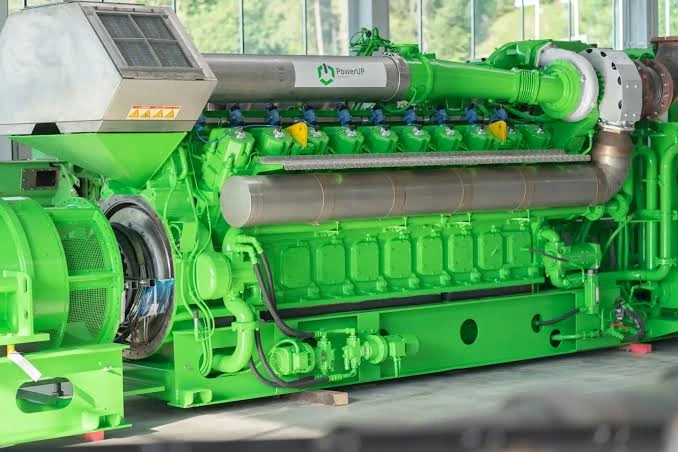
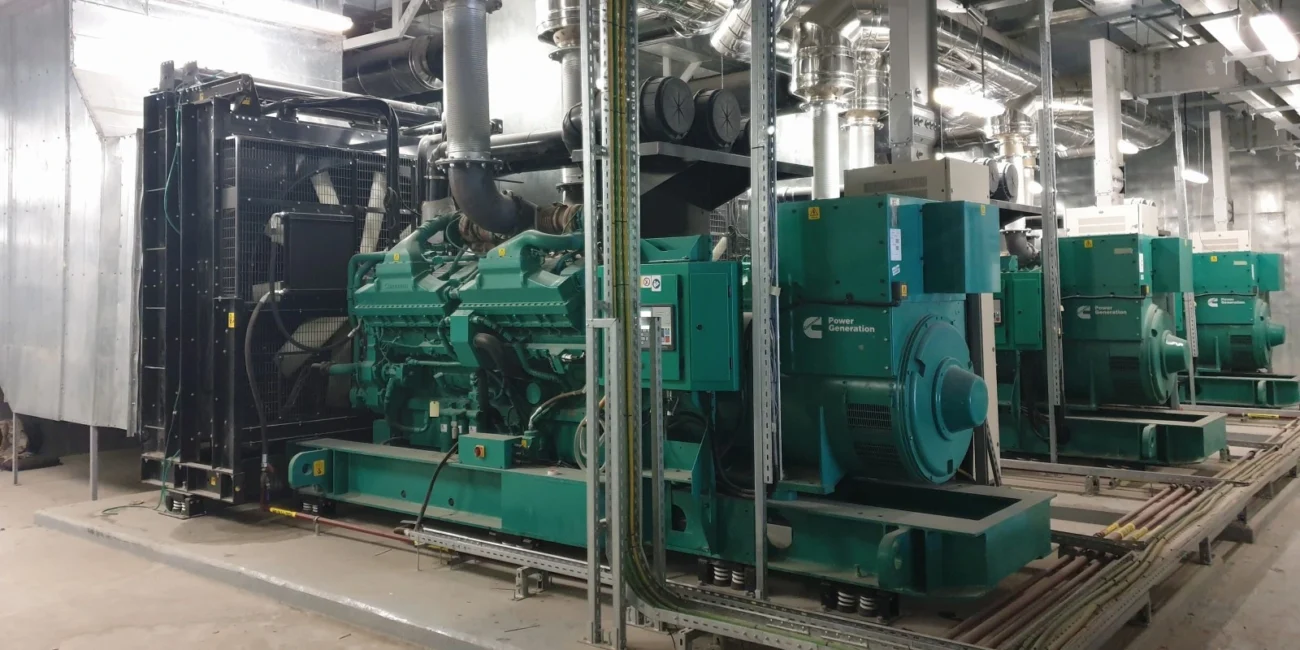
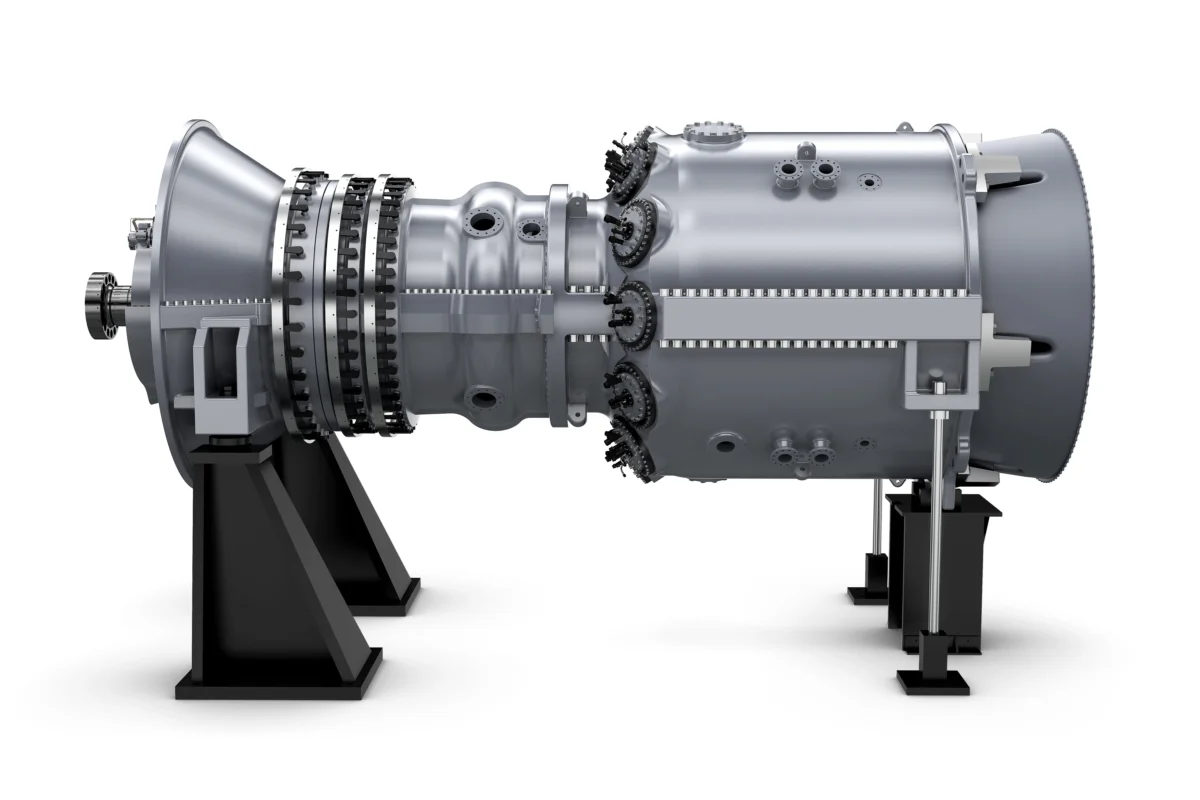
- Diesel and gas generators — cooling components and electrical parts that keep continuous power supply reliable on remote sites.
- Compressors — parts built to handle constant-duty operation without losing efficiency over time.
- Engines used across heavy machinery — coolant, filters, and gaskets that protect performance regardless of which piece of equipment the engine sits inside.
If your equipment isn’t listed here, it’s worth reaching out anyway — chances are we’ve supported something similar before.
A Few Honest Questions Operators Ask Us
Are compatible parts really as good as OEM Caterpillar parts?
It depends entirely on who makes them. A well-manufactured compatible part, built to match OEM tolerances, can perform just as reliably. The risk comes from parts that only look similar but weren’t engineered to the same standard — which is exactly why sourcing matters more than the label.
How do I know if a part is actually right for my machine?
This is where a knowledgeable supplier earns their keep. The right partner will ask about your specific model and operating conditions rather than just selling you whatever’s in stock.
Is it worth paying more for higher-grade filters and coolants?
In almost every case, yes. The cost difference upfront is small compared to the cost of an engine repair caused by a part that failed early.
Can you supply parts for older or less common Caterpillar models?
In many cases, yes — our team can help track down the right component even for equipment that’s been in service for years.
Final Thoughts
At the end of the day, Caterpillar equipment earns its reputation because of how it’s built — but keeping that reputation intact on your site comes down to what you put into it. The filters, coolants, seals, and components you choose either protect that investment or slowly work against it.
If you’re looking for Caterpillar spare parts you can actually trust, Exominn’s team is ready to help you find the right components for your equipment, wherever your operation runs. Reach out to us, and let’s talk about what your machines actually need — not just what’s easiest to sell you.