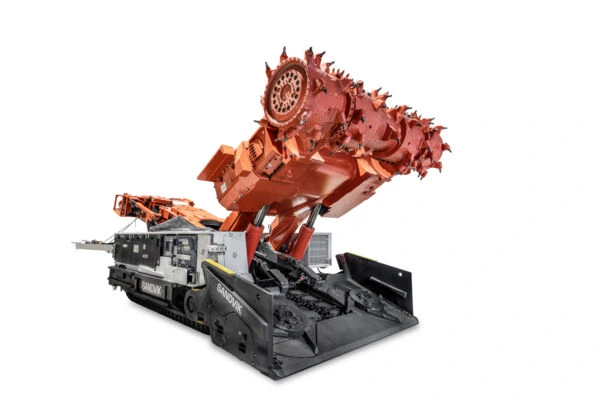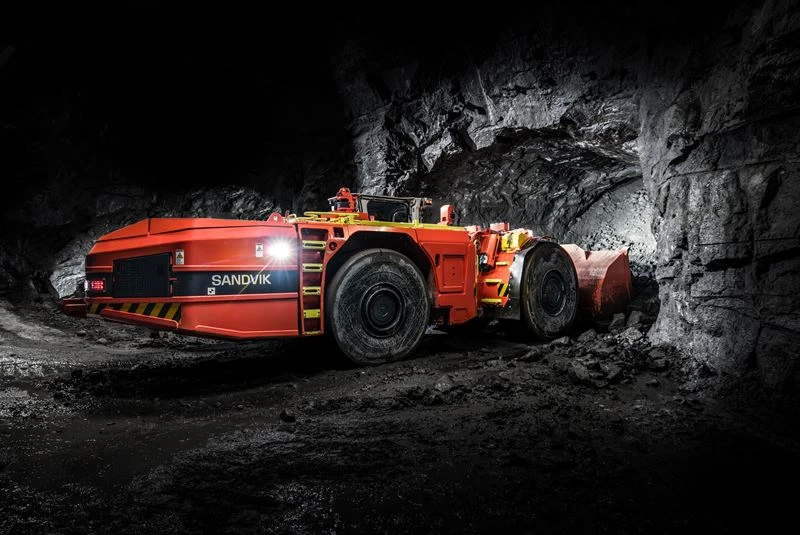


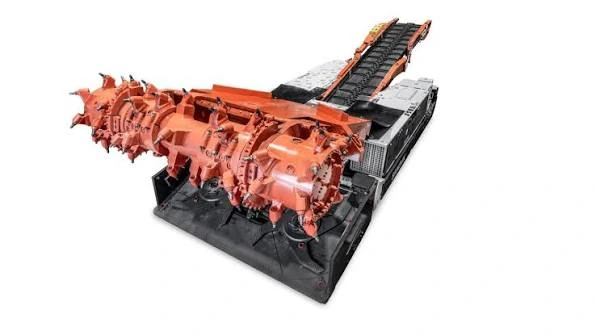
Across Europe’s mining, quarrying, and heavy construction sectors, Sandvik equipment is practically everywhere — from aggregate quarries in Germany and Poland to mining operations in Scandinavia and the Balkans. It’s built to handle relentless abrasion, high loads, and round-the-clock operation. But as any plant manager knows, even the toughest crusher is only as reliable as the parts keeping it running. And when it comes to Sandvik cutting tools and spare parts, sourcing the right component — not just any component — is what separates a smooth production week from an expensive, unplanned shutdown.
This guide covers what European buyers should know before placing their next parts order: what these components actually do, why genuine quality matters so much in this industry, and how to source reliably even when local stock runs short.
What Do Sandvik Cutting Tools Actually Cover?
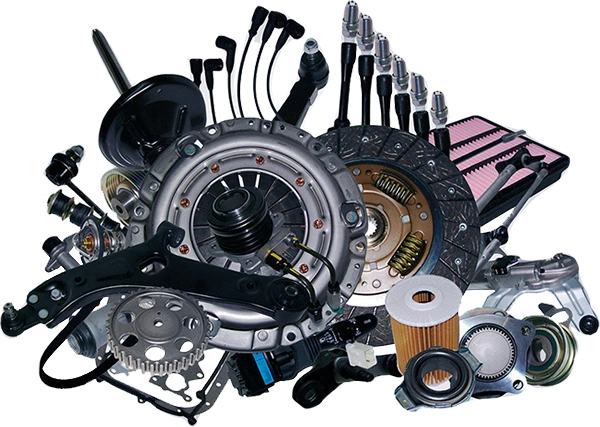
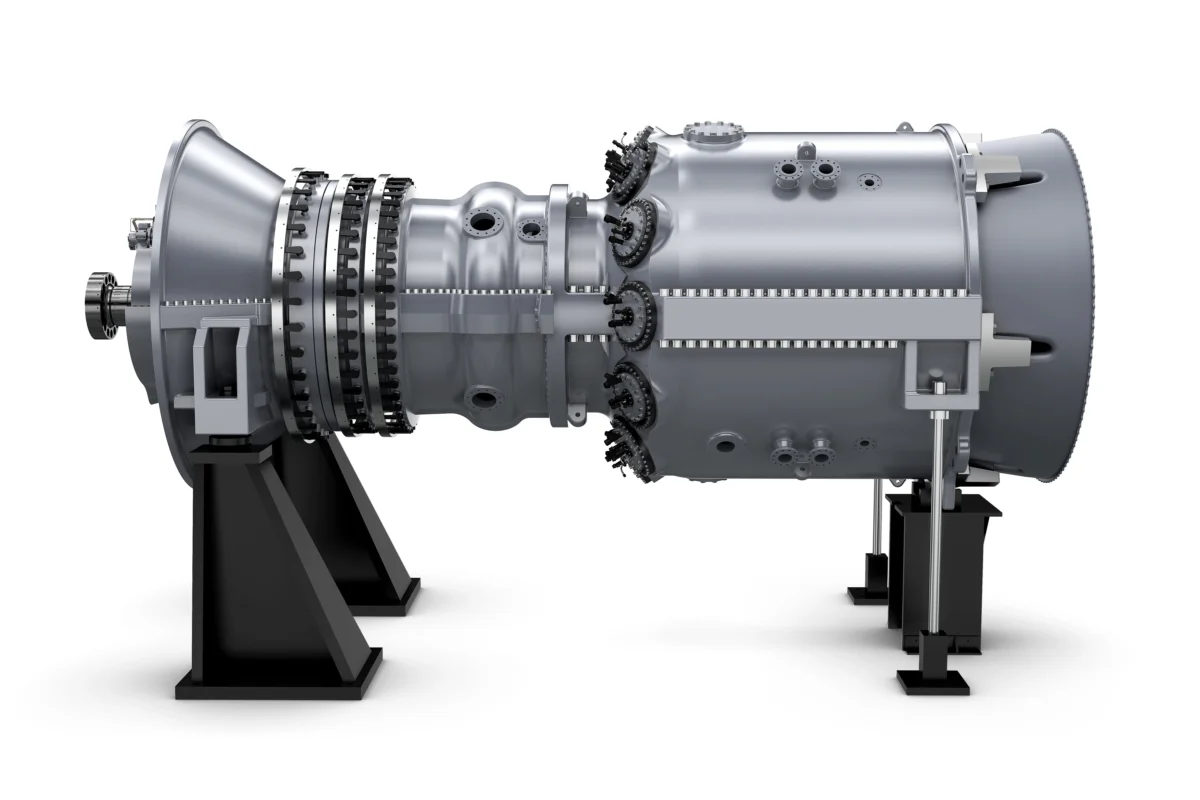
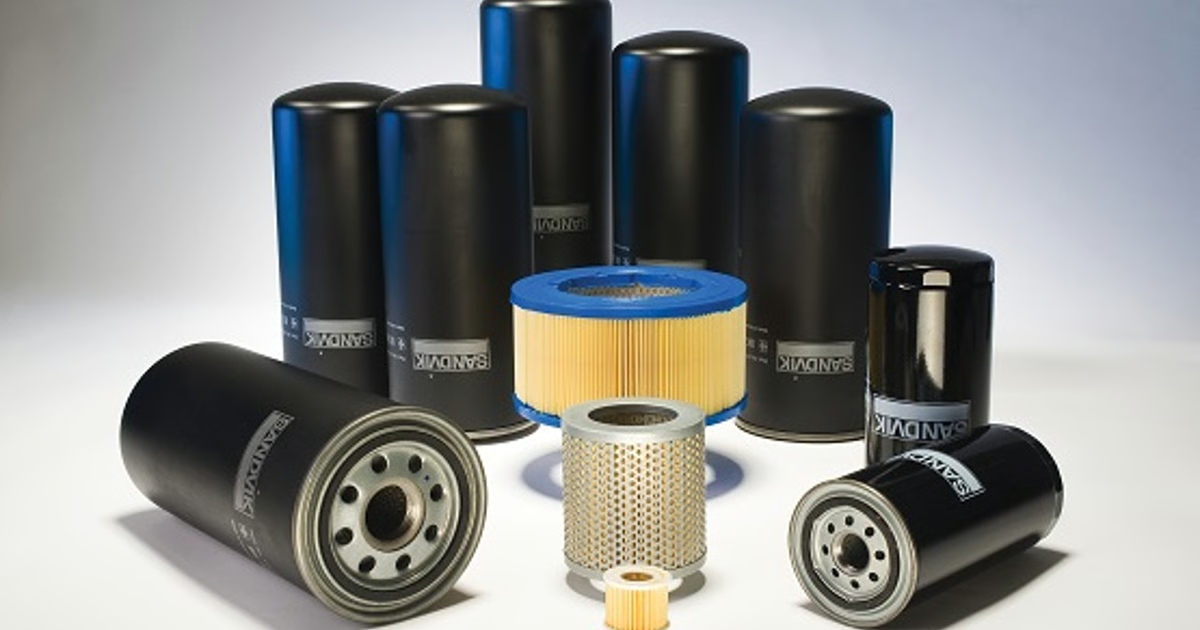
“Cutting tools” is something of a catch-all term in the industry. In practice, it spans crusher wear parts, screening components, bushings, hydraulic motors and pumps, control modules, and the structural fasteners that hold heavy machinery together under constant vibration. Sandvik built its reputation on precision-engineered parts for cone crushers, jaw crushers, screening plants, and construction equipment — designed to perform in abrasive, high-pressure conditions without failing early.
That includes components like concaves, screen box parts, rotation bushings, hydraulic pumps, and electrical control modules — all manufactured to tight tolerances so they fit and perform exactly as the original engineering intended.
Why Sourcing the Right Part Matters Especially in Europe
European operators often deal with a specific challenge: OEM lead times. Ordering directly through official channels can mean weeks of waiting, particularly for less common part numbers, while a crusher sits idle. That’s where the temptation to buy a cheaper, non-genuine substitute creeps in — and it’s usually a costly mistake.
A part that’s even slightly off in tolerance or made from lower-grade steel doesn’t just wear out faster. It can throw off the balance of the entire machine, increase vibration, and place extra stress on surrounding components. What looks like a minor saving on a duplicate bushing today can turn into a multi-day shutdown a few months down the line — a cost far higher than the part itself.
Genuine and precision-matched Sandvik components are engineered as part of a system. The metallurgy, heat treatment, and tolerances are calibrated to work together. Swap in a part that wasn’t built to the same standard, and you’ve introduced a weak link into an otherwise reliable machine.
Sandvik Parts European Operators Commonly Need
Depending on your equipment and application, you’re likely sourcing one or more of the following on a regular basis:
- Wear and crushing parts — concaves, jaw plates, and liners for cone and jaw crushers
- Screening components — screen box parts and structural elements for screening plants
- Bushings and bearings — rotation and bearing bushings that reduce friction and extend service life
- Hydraulic components — motors and pumps that keep crushers and mobile equipment running
- Electrical and control parts — analog input modules and sensors for crusher control systems
- Fasteners and structural assemblies — flange adapters, clutches, and body assemblies
Given how widely Sandvik equipment is used across European quarrying, aggregates, and mining operations, the parts catalog is enormous — and one of the biggest frustrations for buyers is finding a supplier who actually stocks the specific part number needed, rather than just the common ones.
How to Tell Genuine Parts from Duplicates
This is where many buyers, especially those working with new or overseas suppliers, get caught out. A few practical checks:
- Verify the exact part number. Genuine Sandvik parts have precise, traceable part numbers. Vague specs from a supplier are a warning sign.
- Ask for material certification. A reliable supplier can confirm sourcing and provide documentation on material quality.
- Check fitment tolerances. Duplicate parts often “roughly” fit — and in heavy machinery, that’s a meaningfully different thing from actually fitting.
- Review the supplier’s export and delivery history. A supplier with a demonstrated record of shipping into European markets is a far safer bet than an unverified listing.
Choosing a Supplier for the European Market
Sourcing cutting tools and spare parts isn’t just a purchase order — it’s a decision that affects your plant’s uptime for months afterward. A supplier worth working with should be able to source across Sandvik’s full parts range, confirm compatibility before shipping, and move quickly on international orders when you’re facing an unplanned breakdown. That responsiveness matters more than most buyers expect: in mining and quarrying, the cost of waiting on a part almost always outweighs the cost of the part itself.
This is the gap Exominn is built to fill. With a catalog spanning hundreds of Sandvik parts — crusher wear components, hydraulic systems, bushings, and electrical modules — and export experience serving international clients including operations across Europe, the goal is straightforward: get the right part to your site, verified and ready to install, without the delays and guesswork that come with sourcing overseas.
Final Thoughts
Sandvik cutting tools and spare parts are engineered to keep demanding operations running, but only when the components installed match that engineering standard. Whether you’re replacing a worn concave, restocking hydraulic parts, or planning ahead of a scheduled maintenance window, working with a supplier who understands the equipment — not just the catalog number — makes the difference between a quick turnaround and a prolonged shutdown.
If you’re unsure which part fits your machine, it’s worth a direct conversation before placing an order. A quick check with someone who knows the Sandvik catalog can save you from a costly mismatch and unnecessary shipping delays.
Frequently Asked Questions
1. Does Exominn supply Sandvik parts to European countries?
Yes. Exominn exports Sandvik cutting tools and spare parts internationally, including to operations across Europe, with a focus on minimizing delivery delays for time-sensitive orders.
2. How can I confirm a spare part is genuine Sandvik before ordering?
Check the exact part number against Sandvik’s specifications, request material or sourcing documentation from your supplier, and work with an established supplier that has a verifiable export and delivery history.
3. Why do non-genuine or duplicate parts fail faster in the field?
They’re often made with lower-grade materials or looser manufacturing tolerances. Even small deviations increase wear rates and can stress surrounding components, raising the risk of unplanned downtime.
4. What if I need a Sandvik part number that’s hard to find locally?
Exominn’s team can help locate and confirm compatibility for specific Sandvik part numbers, including less common components, and arrange international shipping.
5. How long does international delivery typically take?
Delivery times vary by part availability and destination, but Exominn prioritizes fast dispatch on international orders to reduce equipment downtime — reach out directly for a timeline specific to your location.
6. How often should crusher wear parts be inspected in a European operation?
This depends on material hardness, operating hours, and throughput, but scheduled inspections — built into a regular maintenance routine — help catch wear early, before it affects performance or causes secondary damage.