

There’s a reason “Cat” has become almost shorthand for heavy equipment reliability across mining, construction, and industrial sites worldwide. Caterpillar machinery is built to handle punishing conditions — long duty cycles, extreme loads, abrasive environments — and it’s earned trust over decades of field performance. But even the toughest Cat excavator, loader, or generator set is only as reliable as the parts keeping it running. And when something wears out or fails, the part you choose to replace it with can make the difference between a quick fix and a repeat problem a few months down the line.
This guide walks through what you need to know before your next Caterpillar parts order — what these components cover, why quality sourcing matters so much, and how to buy with confidence.
What Falls Under “Caterpillar Spare Parts”?
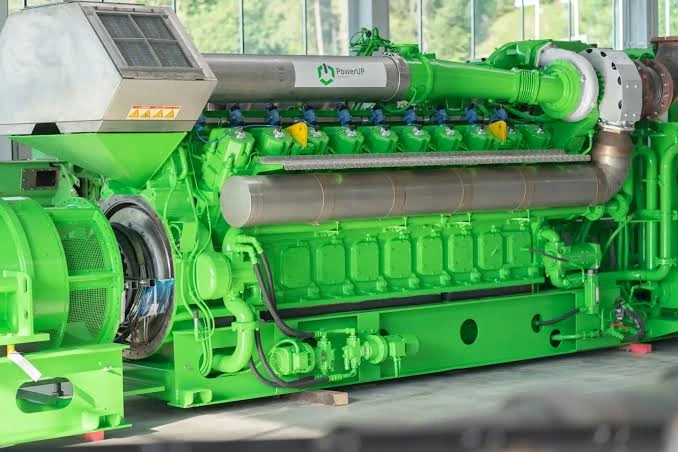
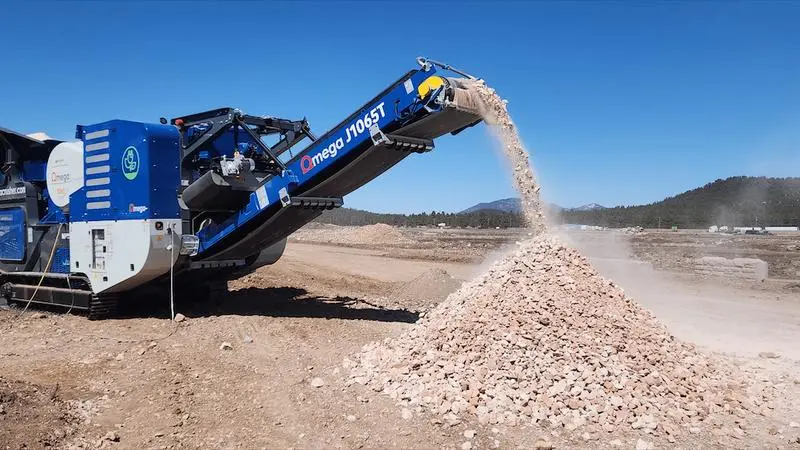
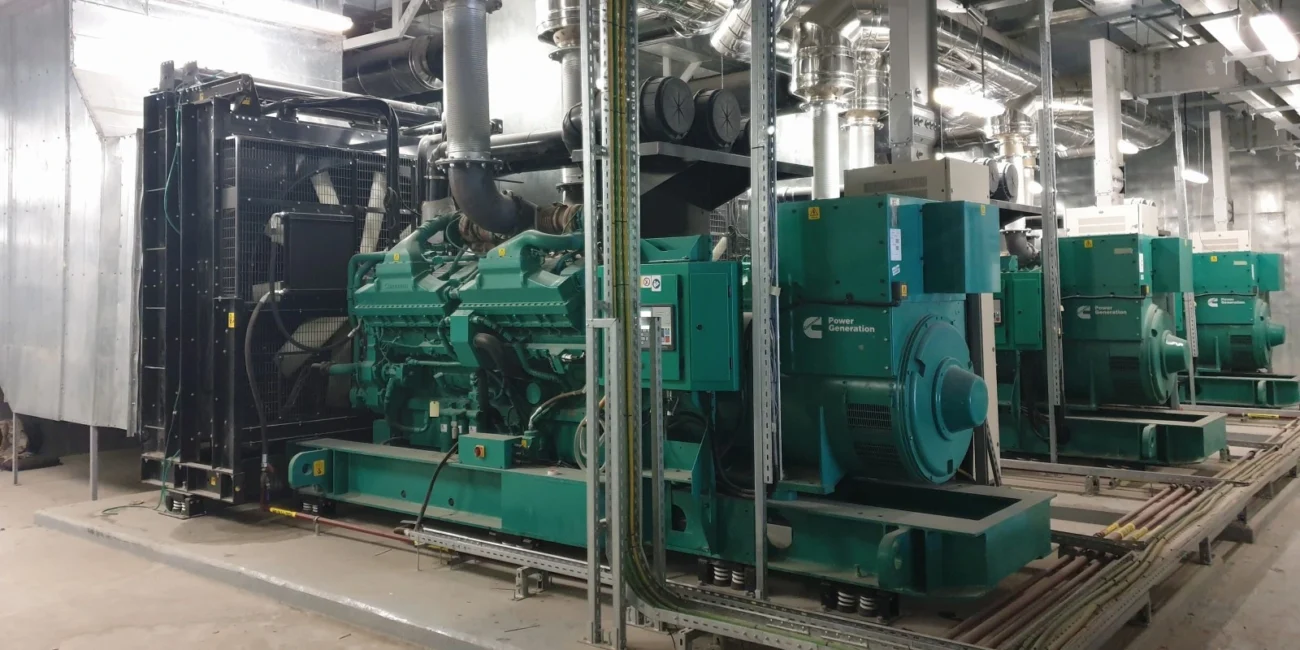
Caterpillar’s equipment lineup is enormous — excavators, loaders, generators, engines, and construction machinery all built around a shared philosophy of durability and precision engineering. On the spares side, that translates into a wide range of components operators regularly need to source:
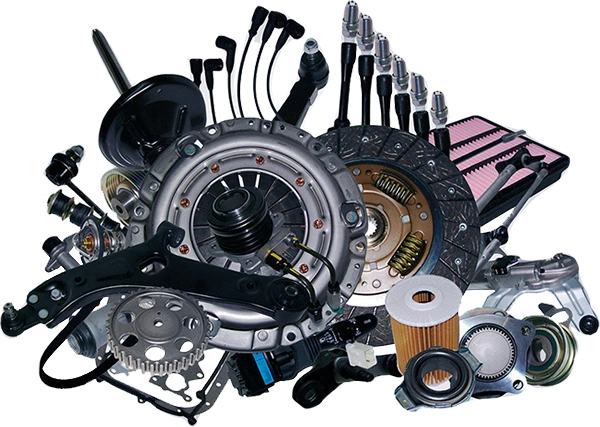
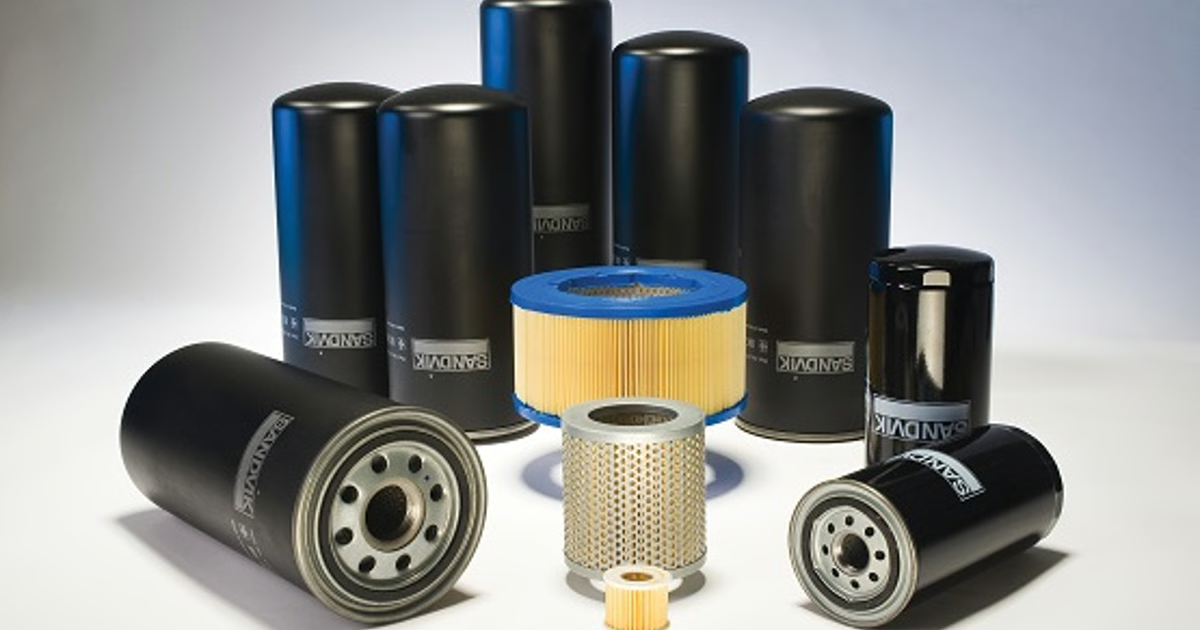
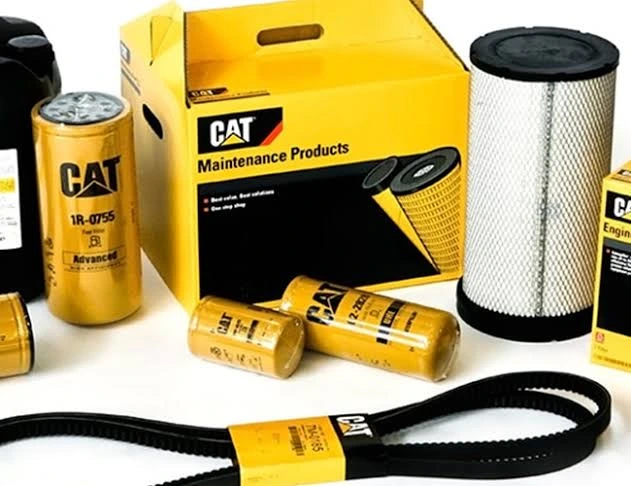
Belts and drive components are power transmission belts engineered for smooth operation and long service life under continuous load. Filters and fluids cover engine oil filters, fuel filters, and coolant system components that protect engines from contamination. Electrical parts include sensors, modules, and wiring components that keep machinery operating safely. Engine and drivetrain components keep power delivery consistent under heavy-duty conditions. Hydraulic components, such as motors, pumps, and cylinders, are central to excavators, loaders, and other hydraulic-driven equipment. And structural and wear parts are engineered to handle the abrasive, high-impact conditions typical of mining and construction sites.
Because Caterpillar equipment is used across such a wide range of applications — from open-pit mining to civil construction to industrial power generation — the parts catalog is genuinely massive. That scale is exactly why finding a supplier who stocks the specific part number you need, not just the common ones, tends to be the real challenge.
Why Genuine Sourcing Matters More Than People Expect
Here’s something operators learn the hard way: a part that looks nearly identical to the original can still perform very differently once it’s under real load. A belt made with lower-grade materials wears faster and can slip under strain. A filter that doesn’t meet spec lets contaminants through that damage the engine over time. A mismatched electrical component can throw off sensor readings or trigger unnecessary downtime.
These aren’t hypothetical risks — they’re the kind of “small” cost-cutting decisions that quietly turn into much bigger repair bills. Caterpillar equipment is engineered as an integrated system, where components are designed to work together within specific tolerances. When you introduce a part that wasn’t built to that same standard, you’re not just risking that one component — you’re risking the performance of everything connected to it.
Common Caterpillar Parts Operators Search For
Depending on the equipment you’re running, you’ll likely need one or more of these on a recurring basis:
Belts for engine cooling systems, alternators, and power transmission. Filters, including oil, fuel, air, and hydraulic filters that protect core systems from contamination. Fluids such as engine oils, coolants, and hydraulic fluids formulated to Caterpillar specifications. Electrical components like sensors, switches, and control modules. Hydraulic parts, including seals, pumps, and cylinders for excavators, loaders, and other hydraulic machinery. And wear parts designed to withstand abrasive, high-impact operating conditions.
Because Caterpillar machinery is used so widely across mining, construction, and industrial sectors, sourcing the right combination of these parts efficiently — rather than placing separate orders across multiple suppliers — saves both time and money.
How to Tell a Reliable Part from a Risky One
This is where a lot of buyers, especially those working with unfamiliar suppliers, get caught out. A few practical checks before you order:
First, verify the exact part number. Genuine and precision-matched Caterpillar parts carry specific, traceable part numbers, and a supplier who’s vague on specifics is a red flag. Second, ask about material quality. A reliable supplier should be able to speak clearly to how a part is manufactured and sourced. Third, check fitment tolerances, since parts that “roughly” fit often cause problems down the line that aren’t obvious at installation. Finally, review the supplier’s track record — suppliers with a demonstrated history of serving mining and construction clients are a safer bet than an unverified listing.
Choosing a Supplier for Caterpillar Parts
Buying spare parts isn’t just a transaction — it’s a decision that affects your equipment’s uptime for months to come. A good supplier should be able to source across the full range of Caterpillar categories, confirm part compatibility before shipping, and move quickly when you’re dealing with an unplanned breakdown. That last point matters more than people expect: in mining and construction, the cost of waiting on a part is almost always higher than the cost of the part itself.
This is exactly the gap Exominn is built to close. With a catalog covering dozens of Caterpillar parts — from belts and filters to electrical and hydraulic components — alongside broader mining and industrial equipment spares, and delivery across India and internationally, the goal is simple: get operators the right part, verified and ready to install, without the guesswork.
Final Thoughts
Caterpillar equipment is engineered to perform under demanding conditions, but only when the parts keeping it running match that same standard. Whether you’re replacing a worn belt, restocking filters ahead of scheduled maintenance, or sourcing a hydraulic component after an unplanned failure, working with a supplier who understands the equipment — not just the part number — makes all the difference.
If you’re not sure exactly which part fits your machine, it’s worth reaching out directly rather than guessing. A quick conversation with someone who knows the catalog can save you from an expensive mismatch.
Frequently Asked Questions
1. What types of Caterpillar parts does Exominn supply?
Exominn stocks a range of Caterpillar components, including belts, filters and fluids, electrical parts, hydraulic components, and wear parts for equipment used in mining, construction, and industrial applications.
2. How do I know if a Caterpillar spare part is genuine or correctly specified?
Check the exact part number against your equipment’s specifications, ask your supplier for material or sourcing documentation, and buy from an established supplier with a verifiable track record.
3. Why do lower-quality parts cause more problems than they seem to save?
Substandard parts often use lower-grade materials or looser tolerances. Even small deviations can accelerate wear, cause contamination in engine and hydraulic systems, or stress connected components, leading to unplanned downtime.
4. Can Exominn help me find a specific Caterpillar part number?
Yes. Exominn’s team can help confirm compatibility and locate specific part numbers across its Caterpillar catalog, including less common components.
5. Does Exominn deliver Caterpillar parts outside India?
Yes, Exominn supplies Caterpillar spare parts both across India and internationally, with fast dispatch to help minimize equipment downtime.
6. How often should Caterpillar filters and fluids be replaced?
This depends on operating hours, load conditions, and manufacturer recommendations, but regular inspection as part of a scheduled maintenance routine helps catch issues early and protects engine and hydraulic system performance.